
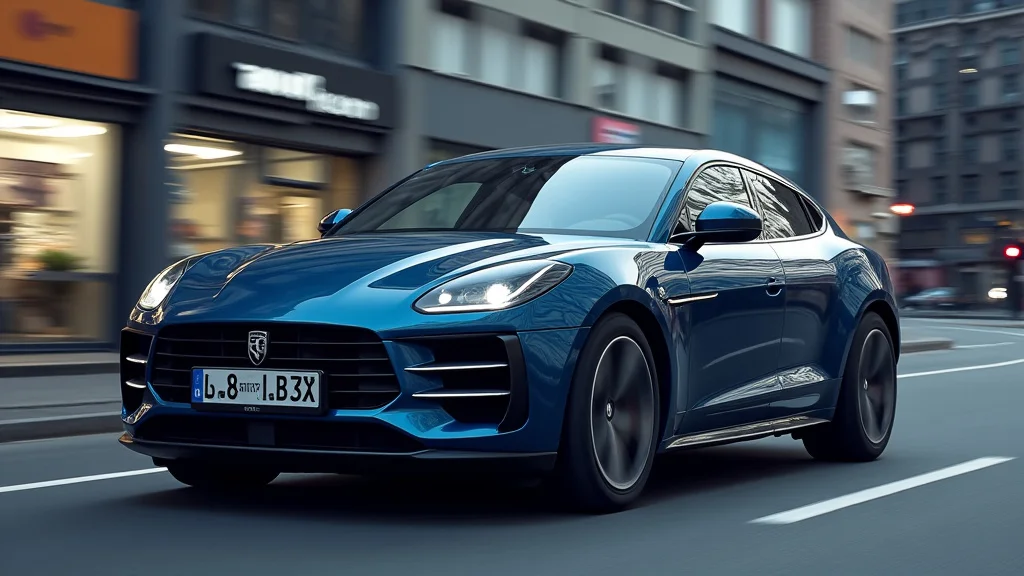
Remember that time your car suddenly wouldn’t start, leaving you stranded on the side of the road? Or maybe you’ve spent hours researching the perfect vehicle, only to feel lost in a sea of jargon? The world of auto motives is vast and sometimes confusing. This guide breaks down the essential aspects, from the basics of how they function to the latest innovations. You’ll gain a firm grasp of the industry and its technologies, empowering you to make informed decisions and better appreciate the vehicles we depend on. Prepare to improve your awareness and make the right choices for your needs.
Key Takeaways
- Discover the core components that make up an automobile.
- Explore the history and progression of vehicle design and technology.
- Learn about the different types of auto motives available.
- Gain insights into the environmental impact of cars and emerging green technologies.
- Explore how safety and driver-assistance systems work.
- Understand the future of auto motives including electric vehicles.
The Foundation of Automobiles
Every car, truck, or SUV relies on several primary components to work. These parts interact together in a complex system. They work in tandem, but they also have very distinct purposes. To really understand auto motives, you need to understand their core building blocks. These components, from the engine to the wheels, are the very foundation upon which everything else is built. Each piece plays a critical role in turning potential energy into motion, getting you where you need to go.
The Engine: The Heart of the Vehicle
The engine is the primary power source for the vehicle, converting fuel into motion. This mechanical marvel comes in a variety of types, but the general principle is the same. Internal combustion engines (ICEs), the most common type, burn fuel (usually gasoline or diesel) inside cylinders to push pistons, which then turn the crankshaft. The crankshaft’s rotation powers the rest of the car’s systems. This rotational energy is then transferred to the wheels. This process involves the controlled explosions that propel the vehicle.
- Internal Combustion Engines (ICE): This traditional engine uses a fuel and air mixture and an internal explosion to drive the pistons. These types are the most common in the world.
- Electric Motors: EVs utilize an electric motor, powered by a battery, to turn the wheels. Electric motors are more efficient and cleaner than ICEs.
- Hybrid Systems: These systems combine an ICE and an electric motor. This pairing helps provide a boost in efficiency and performance.
An engine’s power is usually measured in horsepower (hp) and torque. Horsepower indicates the rate at which the engine can do work, while torque measures the rotational force. Engine design varies significantly. Some cars use inline engines, where the cylinders are arranged in a straight line. Other cars use V-engines, where the cylinders are angled. All designs, however, share the same ultimate purpose: to provide the power necessary to drive the vehicle.
The Transmission: Managing the Power
The transmission is a crucial component that regulates the power from the engine and transfers it to the wheels. It acts as a gearbox, adjusting the engine’s output to match the car’s speed and the demands of the road. Transmissions allow the vehicle to shift through various gear ratios. They do this to make the engine more efficient at different speeds and under different loads. This helps the driver to manage how much power is available.
- Manual Transmissions: Drivers control the gear changes with a clutch and gear stick. This option offers drivers greater control over the vehicle’s performance.
- Automatic Transmissions: These transmissions automatically shift gears for you. This makes driving easier and more convenient.
- Continuously Variable Transmissions (CVTs): These transmissions use a system of belts and pulleys to provide a seamless range of gear ratios, optimizing engine performance.
The type of transmission chosen significantly affects the driving experience. A manual transmission offers a more involved driving experience, while an automatic transmission provides ease of use. The CVT excels at maximizing fuel economy. The transmission, no matter the type, ensures the engine’s power is appropriately delivered to the wheels. This enables the car to start, accelerate, and maintain a given speed.
The Chassis and Suspension: Riding Comfort
The chassis, or frame, forms the structural foundation of the vehicle. It supports all the other components. The suspension system, attached to the chassis, connects the wheels to the body. The suspension provides a smooth ride by absorbing bumps and other road irregularities. It also helps to maintain contact between the tires and the road, improving handling and control. The design of the chassis and suspension is key to a car’s overall performance and feel.
- Suspension Components: Springs (coil, leaf, or air) absorb the energy of bumps. Shock absorbers (dampers) control the movement of the springs.
- Types of Suspension: Independent suspension allows each wheel to move independently, improving ride quality and handling. Solid axle suspensions are simpler and often used in trucks for durability.
- Chassis Design: Modern vehicles typically use unibody construction, where the body and frame are integrated, to reduce weight and increase rigidity. Body-on-frame designs are often used in trucks.
A well-designed chassis ensures the vehicle’s structural integrity. The suspension is key to the car’s driving dynamics and passenger comfort. Factors such as the type of springs, shock absorbers, and the geometry of the suspension arms all affect how a car handles. The system also impacts the ride quality. The chassis and suspension together are critical in providing a safe and enjoyable driving experience.
A Brief History of Auto Motives
The history of auto motives is a testament to human innovation and ingenuity. From the earliest experiments with steam-powered vehicles to the sophisticated, technologically advanced cars of today, the evolution of the automobile is a story of continuous advancement. The journey has been marked by revolutionary changes in engine technology, design, and manufacturing. It includes massive improvements in safety and efficiency.
Early Innovations: Steam, Electricity, and the Internal Combustion Engine
The earliest attempts at self-propelled vehicles used steam power. These vehicles appeared in the late 1700s and early 1800s. They were clunky, inefficient, and primarily used for transport. Electric vehicles briefly gained popularity in the late 19th and early 20th centuries. Then the internal combustion engine (ICE) began to dominate the market. The early ICE vehicles were experimental, but they laid the groundwork for the modern automobile. The development was also impacted by innovation in areas like tires and brakes.
- Early Steam Vehicles: Nicolas-Joseph Cugnot’s fardier à vapeur (1769) is often considered one of the first self-propelled land vehicles.
- The Rise of the ICE: Karl Benz and Gottlieb Daimler are credited with creating the first practical gasoline-powered automobiles in the 1880s.
- Electric Vehicle Revival: Electric cars saw some success in the early 1900s due to their ease of operation and quietness, but were soon overtaken by ICEs.
The introduction of the assembly line by Henry Ford revolutionized car manufacturing. This enabled mass production and made cars more affordable. These early automobiles were basic compared to modern vehicles. They lacked many of the features we take for granted. Nevertheless, they represented a radical shift in transportation, forever changing how people lived and worked.
The Golden Age of Automobiles: Design and Performance
The mid-20th century was a time of significant growth for the automotive industry. This era was marked by dramatic changes in design, performance, and features. Cars became bigger, faster, and more stylish. Technological advancements like automatic transmissions, power steering, and air conditioning became commonplace. This era also witnessed the rise of iconic car designs. These classic cars are still admired for their beauty and engineering.
- Design Innovation: Car designers experimented with new shapes, colors, and materials. This gave rise to the streamlined aesthetics of the Art Deco era and the bold designs of the 1950s.
- Performance Improvements: Advancements in engine technology led to greater horsepower and acceleration. This resulted in more responsive and exciting driving experiences.
- Technological Advancements: Features like automatic transmissions, power steering, and air conditioning became increasingly common, making driving more comfortable.
Safety also began to receive greater attention during this time. Seatbelts, padded dashboards, and improved braking systems were introduced to protect drivers and passengers. The Golden Age of Automobiles helped to define the modern car industry and the culture of driving.
Different Types of Auto Motives
Today’s automotive landscape is diverse, offering a wide array of vehicle types designed for various purposes. From fuel-efficient compact cars to powerful trucks, the choice of vehicle you make has the potential to match individual needs and preferences. Each type is designed with specific characteristics, advantages, and drawbacks in mind. Choosing the right vehicle involves considering how it will be used.
Cars: Sedans, Hatchbacks, and Coupes
Cars come in various styles. They offer a balance of comfort, efficiency, and practicality. Sedans are generally known for their four-door design and spacious cabins. They offer comfortable seating for passengers and are often preferred for family use and everyday driving. Hatchbacks feature a rear door that opens upward. This type often offers increased cargo space. Coupes typically have two doors and a sportier design, often emphasizing performance and style. These models come in a variety of sizes and trim levels.
- Sedans: Generally feature four doors and three-box design. Well-suited for families and commuting due to their passenger space and cargo capacity.
- Hatchbacks: Known for their rear hatch that opens upwards, offering increased cargo versatility compared to sedans.
- Coupes: Often feature two doors and a sporty design. Designed for an emphasis on performance and a more engaging driving experience.
The choice between a sedan, hatchback, or coupe often depends on lifestyle, preferences, and needs. Sedans are a very common choice for their balance of space and fuel efficiency. Hatchbacks are ideal for those needing versatile cargo space. Coupes are for drivers seeking a sportier design and handling.
SUVs and Trucks: Versatility and Capability
SUVs (Sport Utility Vehicles) and trucks are designed for drivers who need extra space, versatility, and off-road capability. SUVs, which are generally based on a car chassis, are known for their raised ride height, generous cargo space, and ability to handle various road conditions. Trucks, often built with a heavy-duty frame, are designed for hauling cargo and towing. Both types are popular due to their durability and off-road ability. These vehicles are capable of meeting different lifestyle and working needs.
- SUVs: Known for their higher ride height, increased cargo capacity, and often available all-wheel-drive or four-wheel-drive systems.
- Trucks: Built on a heavy-duty frame, providing exceptional towing and hauling capacity.
- Versatility and Capability: Both SUVs and trucks are designed to handle various terrains and transport large loads.
SUVs are a great option for families who need both passenger space and cargo capacity. Trucks are the right choice for drivers who have requirements for hauling items and towing. The choice between an SUV and a truck hinges on the balance of needs and preferences. This also depends on the capabilities the buyer is seeking.
The Environmental Impact of Automobiles
The environmental impact of auto motives is a major consideration. The vehicles we drive play a significant role in greenhouse gas emissions and air pollution. Automobiles release pollutants that affect air quality. They also contribute to climate change. The industry is working on ways to mitigate these effects.
Emissions and Air Quality
Vehicles release pollutants such as carbon dioxide (CO2), nitrogen oxides (NOx), and particulate matter (PM). These emissions contribute to smog, respiratory problems, and other health issues. The transportation sector is a large source of CO2 emissions. This contributes to global warming. Reducing these emissions is a key goal in improving air quality and protecting the environment.
- Impact on Air Quality: Exhaust from vehicles contributes to smog and respiratory problems.
- Greenhouse Gas Emissions: Vehicles are a major source of greenhouse gases, contributing to climate change.
- Pollution Reduction: Governments and manufacturers are taking steps to reduce emissions through stricter regulations and technological advancements.
The move toward cleaner fuels, such as electric, is crucial in reducing the impact of vehicles. Improving engine efficiency and using catalytic converters are also important. The use of cleaner fuels and improved technologies has the potential to dramatically improve air quality. It can also help combat climate change.
Green Technologies: EVs, Hybrids, and Alternative Fuels
The automotive industry is seeing huge developments in green technology. Electric vehicles (EVs) are quickly becoming more popular. They offer zero tailpipe emissions. Hybrid vehicles (hybrids) combine gasoline engines with electric motors to increase fuel efficiency. Alternative fuels, such as biofuels, are also being explored. The goal is to make vehicles more sustainable and reduce their impact on the environment.
- Electric Vehicles (EVs): EVs produce zero tailpipe emissions and are powered by electricity.
- Hybrid Vehicles: Hybrid vehicles combine an internal combustion engine with an electric motor to increase fuel efficiency and reduce emissions.
- Alternative Fuels: Biofuels and hydrogen are being explored as alternative fuel sources to reduce reliance on fossil fuels.
The move towards EVs and alternative fuels is gaining momentum. Governments are offering incentives. Manufacturers are investing in development. These changes are reshaping the automotive industry. They are also paving the way for a more sustainable and environmentally friendly form of transportation.
Vehicle Safety and Driver-Assistance Systems
Vehicle safety is a top priority, and the automotive industry has made great strides in this area. Modern vehicles come with a range of safety features. They are designed to protect occupants in a crash. Driver-assistance systems are advanced technologies that help prevent accidents. These systems are key to enhancing safety and making driving more secure.
Active and Passive Safety Features
Active safety features are designed to prevent accidents from happening in the first place. These include anti-lock brakes (ABS), electronic stability control (ESC), and lane-keeping assist. Passive safety features are designed to protect occupants if a crash occurs. Examples include airbags, seatbelts, and reinforced body structures. The two categories of safety features work in conjunction to create safer vehicles. Their goal is to protect drivers and passengers.
- Active Safety: Systems like ABS and ESC are designed to help prevent accidents.
- Passive Safety: Airbags and seatbelts protect occupants during a crash.
- Structural Integrity: Reinforced body structures help absorb the impact energy in the event of an accident.
The combination of these safety features, both active and passive, has vastly improved vehicle safety. This is due to technological advancements and improved design. Safety tests, like those from the IIHS and NHTSA, allow the public to compare the safety ratings of different vehicles. These systems work together to make driving safer.
Driver-Assistance Systems: Aiding Drivers
Driver-assistance systems use sensors and cameras to assist the driver. These systems also improve safety and convenience. Examples include adaptive cruise control (ACC), which maintains a set distance from the car in front. They also include blind-spot monitoring (BSM), which alerts the driver to vehicles in their blind spots. Automatic emergency braking (AEB) can apply the brakes automatically to prevent or mitigate a collision.
- Adaptive Cruise Control (ACC): Maintains a set distance from the vehicle in front.
- Blind-Spot Monitoring (BSM): Alerts the driver to vehicles in blind spots.
- Automatic Emergency Braking (AEB): Applies brakes automatically to prevent or lessen the severity of a collision.
These systems enhance driver awareness and reduce the likelihood of accidents. Driver-assistance systems are making driving safer. They are moving us towards a future with fewer accidents and autonomous driving.
The Future of Automobiles
The future of auto motives is focused on transformation. Innovations in technology, sustainability, and connectivity are set to revolutionize the way we travel. Electric vehicles, autonomous driving, and connected cars are changing what is possible. They’re changing the role that cars will play in our lives.
Electric Vehicles: The Rise of EVs
Electric vehicles (EVs) are changing the automotive landscape. They offer several advantages over traditional internal combustion engine vehicles, including zero tailpipe emissions, lower operating costs, and quicker acceleration. The EV market is growing. Battery technology is improving, increasing the range and reducing charging times. This increase in the technology is causing EVs to become more accessible and attractive.
- Advancements in Battery Technology: Increased range and reduced charging times are driving EV adoption.
- Charging Infrastructure: The development of charging networks makes EV ownership more practical.
- Government Incentives: Tax credits and other incentives are encouraging consumers to make the switch to EVs.
The continued growth of EVs has the potential to dramatically reduce greenhouse gas emissions. EVs are key to the future of auto motives. They are the best way to move toward a more sustainable transportation model.
Autonomous Driving: The Coming of Self-Driving Cars
Self-driving cars have the potential to change transportation. The technology uses sensors, cameras, and artificial intelligence to navigate the roads without driver input. Autonomous driving offers the potential to improve safety by reducing human error. It also enhances convenience for drivers. The development of self-driving technology is happening in stages. There are fully autonomous vehicles expected to be on the roads in the near future.
- Sensor Technology: LiDAR, radar, and cameras are key components of autonomous driving systems.
- Artificial Intelligence (AI): Machine learning algorithms enable vehicles to make decisions and navigate complex situations.
- Regulation and Safety: Regulations and safety standards are essential to ensure the safe deployment of autonomous vehicles.
The development of autonomous driving technology is set to transform the way we think about transportation. It has the potential to make roads safer, increase mobility for all, and reshape urban environments.
Common Myths Debunked
Myth 1: Electric vehicles are slow and have limited range.
Reality: Modern EVs offer excellent acceleration due to their instant torque. Many EVs have ranges that exceed 300 miles on a single charge. Advanced battery technology has greatly improved both performance and range.
Myth 2: Electric cars are bad for the environment because they get their electricity from coal-fired plants.
Reality: While the environmental impact depends on the energy source, EVs generally have a lower carbon footprint than gasoline cars, even when the electricity comes from fossil fuels. As renewable energy sources become more prevalent, the environmental benefits of EVs will only increase.
Myth 3: Manual transmissions are more fuel-efficient than automatic transmissions.
Reality: Modern automatic transmissions are often more fuel-efficient than manual transmissions. This is because automatics have more gears and more efficient gear-changing strategies.
Myth 4: The latest safety features make drivers invincible.
Reality: Advanced driver-assistance systems enhance safety but are not foolproof. Drivers still need to stay alert and attentive. It is essential to understand the limitations of these systems.
Myth 5: Hybrid vehicles are more expensive to maintain than gasoline cars.
Reality: The maintenance costs of hybrid cars are often comparable to, or even lower than, those of gasoline cars. This is due to features like regenerative braking, which reduces wear on brake pads.
Frequently Asked Questions
Question: How often should I change my car’s oil?
Answer: It depends on the car, the type of oil, and your driving conditions. Consult your car’s manual for specific recommendations, but generally, it’s every 5,000 to 7,500 miles, or every 6 months.
Question: What’s the difference between all-wheel drive (AWD) and four-wheel drive (4WD)?
Answer: AWD systems constantly send power to all wheels. 4WD systems provide more power and are often selectable for off-road use.
Question: What does “MPG” mean when discussing car fuel efficiency?
Answer: MPG stands for “miles per gallon,” and it measures how many miles a car can travel using one gallon of fuel.
Question: How can I improve my car’s fuel economy?
Answer: Drive smoothly, avoid excessive idling, keep tires properly inflated, and get regular maintenance. Lighter vehicles generally offer better fuel economy.
Question: What are the benefits of electric cars?
Answer: Electric cars offer zero tailpipe emissions, lower running costs, and quieter operation. They may also qualify for government incentives.
Final Thoughts
The world of auto motives is complex. It involves different engineering, design, and technologies. From the basic principles of engine operation to the latest advancements in electric vehicles and driver-assistance systems, there is plenty to explore. The information will help you better understand the vehicles we depend on. You can use it to make better decisions. As the industry advances, embrace the opportunity to stay informed. Consider exploring new technologies. Think about how vehicles can best meet your needs. By staying updated, you can be part of the future of transportation. Consider researching new car models and technologies, and always keep safety as a priority.