
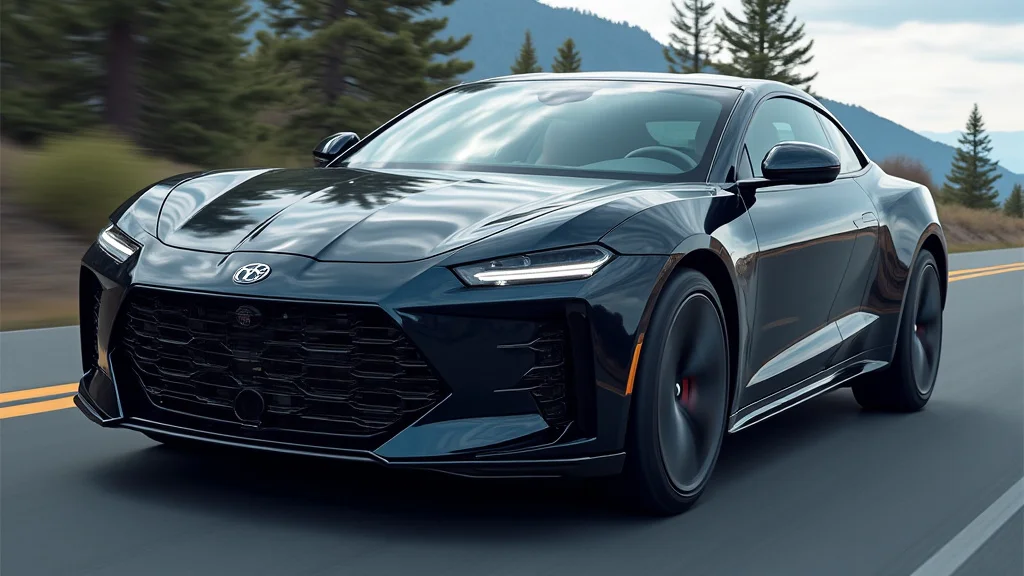
Picture this: you’re walking through a car show, and every single vehicle looks… the same. Boring, right? That’s because the mass-produced cars we see daily often lack the personality to truly stand out. That’s where the unique auto motive scene comes in, a place where individuality reigns supreme. This blog post explores how you can transform your vehicle into a personalized masterpiece, giving you insights into customization options and the process. You’ll gain a greater appreciation for the craftsmanship and artistry within unique auto motive. We’ll also help you determine the best approach for your automotive project.
Key Takeaways
- Discover the various customization options available for vehicles.
- Learn about the materials and techniques used in vehicle personalization.
- Understand the benefits of choosing a unique design.
- Explore the different types of modifications for any auto motive.
- Get advice on finding the right professionals for your project.
- Gain a better understanding of the value of custom vehicles.
Unleashing Creativity in the Auto World
The standard vehicle can be a great piece of machinery, but it often lacks that personal touch. The concept of a unique auto motive allows owners to express themselves, to make a statement, and to transform a mode of transportation into a reflection of their personality. This area encompasses everything from subtle enhancements to major overhauls, allowing individuals to create vehicles that are truly one-of-a-kind. It’s not just about aesthetics; it’s also about improving performance, comfort, and overall driving experience.
Exterior Customization
Exterior modifications are often the most noticeable aspects of a unique auto motive. These changes can range from simple upgrades to drastic transformations, influencing both the visual appeal and aerodynamic performance of a vehicle. From subtle changes in color to complete redesigns, the exterior offers a broad canvas for self-expression. Choosing the right components requires careful thought, as well as an appreciation for design and engineering principles.
- Paint and Finishes: The paint job is often the first thing people notice. Choosing a custom paint color, metallic finish, or even a wrap can completely change a vehicle’s appearance.
- Body Kits and Aerodynamics: Body kits incorporate new bumpers, side skirts, spoilers, and diffusers, not only to enhance the look of a car but also to improve aerodynamic performance.
- Wheels and Tires: Upgrading wheels and tires can dramatically change the look and handling characteristics of a vehicle.
- Lighting: Upgrading lights includes new headlights, taillights, and auxiliary lighting can improve visibility and add a unique design element.
Custom paint jobs go far beyond just picking a color. Think about the finish: matte, satin, gloss, or even a chameleon effect that changes in different lighting. Vinyl wraps offer another flexible alternative, allowing for intricate designs and easy changes without damaging the original paint. These options allow for endless creativity.
Body kits can dramatically change a car’s profile, making it look sportier, more aggressive, or even futuristic. Aerodynamic components can reduce drag and increase downforce, improving handling and fuel efficiency at the same time. The materials used range from durable plastics to lightweight carbon fiber, depending on the budget and desired performance gains.
Wheels come in various designs, sizes, and materials, from classic alloys to modern forged aluminum. The choice of wheels should complement the overall design of the vehicle. Tires are equally crucial, with different compounds and tread patterns for performance, comfort, or all-weather grip. The combination of wheels and tires has a significant impact on the driving experience.
Lighting technology has come a long way. LED and Xenon headlights offer better illumination and a modern look. Custom taillights with unique designs and patterns can enhance the vehicle’s appearance from the rear. Auxiliary lights, such as fog lights and light bars, provide increased visibility in adverse conditions. The right lighting is not just functional; it enhances the overall aesthetic.
Interior Design and Comfort
The interior of a vehicle is a personal space, and customizing it can greatly improve the driving experience and aesthetic. From seat upgrades to dashboard modifications, the interior offers many ways to create a more luxurious, comfortable, or sporty atmosphere. This area gives a unique opportunity to create a cabin that’s perfectly suited to your preferences and needs, making every drive more enjoyable.
- Seating: Upgrading the seats means choosing custom materials, designs, and ergonomic features for comfort and style.
- Dashboard and Trim: Changing the dashboard and trim includes different materials and custom designs to elevate the vehicle’s interior.
- Audio and Entertainment Systems: Upgrading the audio system includes better speakers, amplifiers, and entertainment options for a more immersive experience.
- Custom Features and Accessories: Adding custom features and accessories can make a vehicle more convenient and personalized.
High-quality seats can significantly improve driving comfort and support. Custom seat upholstery can incorporate different materials like leather, Alcantara, or custom fabrics. Seat designs can be tailored to provide better bolstering for improved handling. Ergonomic adjustments such as lumbar support and heated seats can increase the pleasure of driving.
The dashboard and trim can be customized with various materials, including wood, carbon fiber, or brushed aluminum. These enhancements add a premium feel to the cabin. Custom designs and colors can be coordinated to create a cohesive and visually appealing look. The selection of materials and finishes is essential to the overall ambiance.
Installing a high-quality audio system can significantly enhance the driving experience. This can include upgraded speakers, amplifiers, and subwoofers for improved sound clarity and bass. Modern entertainment systems with navigation, smartphone integration, and high-resolution displays add convenience and enjoyment. Customization options are virtually limitless.
Custom features might involve ambient lighting, specialized gauges, or unique storage solutions. These additions can improve usability and convenience. Accessories like custom floor mats, steering wheels, and shift knobs can add personal touches. The choice of accessories allows for a highly customized interior.
Performance Enhancements
Beyond aesthetics, many enthusiasts personalize their vehicles to improve performance. Performance enhancements can significantly change how a vehicle drives and handles, whether it’s through increased engine power, improved handling, or better braking. These modifications often involve technical upgrades to various vehicle systems. Choosing the right modifications depends on your driving style and needs.
- Engine Modifications: Engine modifications include upgrades to increase power and efficiency.
- Suspension Upgrades: Suspension upgrades include better shocks, springs, and sway bars to improve handling and ride quality.
- Brake Upgrades: Brake upgrades include larger rotors, calipers, and better pads for improved stopping power.
- Exhaust Systems: Changing the exhaust system provides improved performance and a distinct sound.
Engine modifications can involve tuning, installing a new intake or exhaust system, or even complete engine swaps. Tuning the engine’s computer (ECU) can optimize performance. Upgrading the intake and exhaust systems can improve airflow and power output. Engine swaps can dramatically increase horsepower. It is important to carefully consider the effects of these changes.
Upgrading the suspension can dramatically improve how a vehicle handles. Upgrades can include sport springs, coilovers, or air suspension systems. These upgrades can lower the vehicle’s center of gravity and reduce body roll, improving handling in turns. Shocks and sway bars can be upgraded for better ride comfort.
Upgrading the brakes is essential for handling increased power or improving overall stopping performance. Larger rotors, calipers, and performance brake pads can provide better stopping power and fade resistance. Stainless steel brake lines and improved brake fluid can also enhance braking performance. A good brake setup is crucial for safe driving.
Upgrading the exhaust system can improve both performance and the sound of your vehicle. Performance exhaust systems often feature larger diameter piping and high-flow mufflers to reduce backpressure, which helps the engine breathe better. The choice of exhaust components can also influence the vehicle’s sound.
Materials and Techniques
The creation of a unique auto motive relies on various materials and techniques, each influencing the final outcome. The choice of materials affects durability, appearance, and weight. The techniques used determine the quality of craftsmanship and the level of customization that is possible. Understanding these aspects allows for better decisions in the personalization process.
Material Selection
Material selection is important in creating a unique auto motive. The choice of materials impacts aesthetics, durability, and functionality. Each material has unique properties that influence the final look and performance of the vehicle. Careful consideration of these factors will help ensure that the desired results are achieved.
- Paint and Coatings: Paint and coatings include different types of paints, clear coats, and protective films for exterior finishes.
- Fabric and Leather: Fabric and leather include different grades, colors, and textures used for interior upholstery.
- Metal and Composites: Metal and composites include various metals, carbon fiber, and fiberglass used for body panels, trim, and performance parts.
- Specialty Materials: Specialty materials include vinyl wraps, wood, and other unique materials for creating custom designs.
Paint choices range from basic single-stage paints to multi-stage systems with metallic flakes and pearl effects. Clear coats provide a protective layer and a glossy finish. Protective films, like clear bra or paint protection film (PPF), help to protect the paint from chips and scratches. The right choice in paints will deliver the look and durability desired.
Leather upholstery can range from premium grades to more durable options. Custom upholstery includes stitching patterns, colors, and designs. Fabric options vary from basic cloth to high-performance materials like Alcantara. Selecting the right materials allows customization and elevates the interior experience.
Metals like aluminum and stainless steel are used for trim, exhaust systems, and structural components. Carbon fiber is a lightweight and strong material used for body panels, trim, and interior components. Fiberglass is a more affordable option for body kits and custom parts. Using these materials allows for creative customization.
Vinyl wraps provide flexibility and a broad range of colors, patterns, and finishes. Wood veneers can be used for interior trim to add a touch of luxury. Specialty materials add a personal touch to the vehicle. Selecting the right materials enables endless design possibilities.
Techniques Used
The techniques used in unique auto motive projects vary depending on the type of customization. Precision, skill, and attention to detail are important to ensure a high-quality finish and optimal functionality. Each method offers unique possibilities in terms of design and function. Familiarity with the proper techniques is essential for a successful project.
- Painting and Finishing: The painting process involves preparation, application, and finishing techniques to achieve a professional appearance.
- Upholstery and Stitching: Upholstery involves cutting, fitting, and stitching to create custom seat covers, door panels, and other interior components.
- Metal Fabrication: Metal fabrication includes cutting, welding, and shaping metal components for custom bodywork, exhaust systems, and other parts.
- Electronics and Wiring: Electronics and wiring involves installing and integrating electrical components such as lighting, audio systems, and performance monitoring.
The process starts with surface preparation, including sanding and priming. The paint is applied in multiple coats with careful attention to detail. Finishing techniques involve polishing and buffing to achieve a smooth, glossy finish. Properly executed painting produces a durable and aesthetically pleasing result.
This includes precise measuring and cutting of fabric or leather. The upholstery is fitted and stitched to match the vehicle’s specifications. Techniques such as topstitching, piping, and custom patterns add detail and uniqueness. Attention to detail ensures a flawless appearance.
Metal fabrication requires welding skills to join metal parts securely. Precision is important when cutting, bending, and shaping metal. This process can include creating custom exhaust systems, roll cages, or body panels. Properly executed metal fabrication offers both functionality and design.
This demands expertise in wiring diagrams and electrical circuits. Integrating new components must be done accurately, ensuring all systems function correctly. Proper wiring will prevent electrical issues and ensure the safety of the vehicle. Precise wiring enables all custom features to work.
The Benefits of Choosing a Unique Auto Design
Personalizing your vehicle offers many benefits. From enhanced aesthetics to improved performance and a unique driving experience, the advantages extend beyond visual appeal. Customization allows you to create a vehicle that reflects your preferences and requirements. Making your vehicle unique also has other advantages.
Personal Expression and Identity
A unique auto motive can be a canvas for personal expression, offering a way to showcase individuality and create an identity. The vehicle becomes a reflection of your personality, interests, and style. The choices made during customization will set it apart from mass-produced vehicles.
- Showcasing Individuality: Customizing your vehicle allows you to express your unique style and preferences.
- Creating a Statement: A unique vehicle can make a statement about you and your values.
- Reflecting Interests and Hobbies: Customization allows you to integrate your interests and hobbies into your vehicle.
Customization provides an outlet for expressing creativity. Whether it’s through a bold paint job, custom wheels, or personalized interior upgrades, these choices will show your unique taste. You will make a statement, setting your car apart from the mundane.
The design choices reflect your personality and style. A vehicle will tell a story about who you are and what you appreciate. These choices set a vehicle apart from others on the road.
For enthusiasts of motorsports, this might involve performance upgrades and racing-inspired aesthetics. For those interested in luxury, it could mean premium materials and sophisticated design. The vehicle becomes an extension of your passions.
Enhanced Driving Experience
Modifications can greatly enhance the driving experience. Performance upgrades and comfort improvements can change the way a vehicle handles and feels on the road. The goal of this process is to make the vehicle more enjoyable to drive. From improved handling to a more comfortable interior, the enhancements provide an elevated experience.
- Improved Performance: Modifications such as engine tuning, suspension upgrades, and brake enhancements can improve performance.
- Enhanced Comfort: Custom seating, sound systems, and climate control upgrades can improve comfort.
- Increased Enjoyment: The combination of personalized aesthetics and enhanced performance can increase driving pleasure.
Performance upgrades can lead to increased power, enhanced handling, and better braking. These improvements add to the driving thrill and make a vehicle more responsive. The result is a more exciting driving experience.
The interior can be customized to create a comfortable and enjoyable driving environment. Custom seats will offer better support and comfort. Upgraded sound systems provide an immersive audio experience. Climate control modifications improve comfort. These improvements make a vehicle more enjoyable on any trip.
When the vehicle reflects your style and is fun to drive, the driving experience is elevated. Each drive becomes more enjoyable when the car is customized to your tastes and meets your requirements. The joy of driving is enhanced when the vehicle feels like it’s yours.
Increased Value and Resale Potential
A unique auto motive can potentially increase its value and make it more appealing to buyers. Custom vehicles often stand out in the used car market due to their individuality and the investment made in their design. Well-executed customizations can boost a vehicle’s desirability, and the value will remain high. However, it’s important to consider the potential for loss of value.
- Enhanced Resale Value: Custom vehicles can command higher prices due to their unique features.
- Appeal to Collectors: Custom vehicles with well-executed modifications often attract collectors.
- Investment Potential: Some custom vehicles can appreciate in value, making them a worthwhile investment.
Custom features set the vehicle apart from standard models, increasing its appeal to potential buyers. Customization shows the care and attention that were given to the vehicle. The investment in customization can be recouped upon resale, especially if the vehicle’s modifications are in demand.
Rare or limited-edition models can become highly sought after. Collectors see the value in vehicles with unique designs and high-quality craftsmanship. These vehicles may appreciate over time, making them valuable investments.
A carefully customized vehicle can be a source of financial gain. Collectors appreciate vehicles with high-quality modifications. Proper maintenance and care can further enhance the vehicle’s value. Custom vehicles have the potential to become valuable assets.
Finding the Right Professionals
The success of a unique auto motive project depends on the professionals involved. Finding experienced, skilled, and reliable specialists is important to ensure the quality and execution of the modifications. Research, communication, and a clear understanding of your requirements are important to a successful project.
Research and Selection
The selection of professionals is a key step in a project. Thorough research and vetting are crucial to making informed decisions. Selecting the right team will ensure that your vision is realized to the highest standards. Due diligence is essential in finding the appropriate professionals.
- Finding Reputable Shops: Searching for and evaluating shops with good reputations and positive reviews is important.
- Checking Credentials and Experience: Ensuring that the professionals have the right credentials and experience for the job is important.
- Evaluating Portfolios and Past Work: Reviewing portfolios and previous projects will help assess their design and execution skills.
Reading online reviews from past customers can provide insights into their quality of work and customer service. Visiting shops to inspect their facilities and talk to their teams is valuable. Asking for references and viewing past projects will provide a clearer picture of their capabilities.
Checking for certifications, such as those from the Automotive Service Excellence (ASE), shows that they meet industry standards. Experience in similar projects is important, especially for complex modifications. Asking about their expertise ensures they can handle the scope of the project.
Viewing their previous work provides an idea of their design sense and craftsmanship. Asking for photos or videos of previous builds can give a better idea of the quality and attention to detail. This also allows you to gauge whether their style aligns with your vision for your vehicle.
Communication and Collaboration
Effective communication and collaboration are essential for a successful project. Clearly communicating your vision, expectations, and any specific requirements will help you to ensure that the final result meets your satisfaction. Working together will ensure a smooth process and high-quality outcome.
- Clear Communication: Communicate your vision clearly to the professionals you work with.
- Detailed Agreements: Having a written agreement that details the scope, cost, and timeline is important.
- Regular Updates and Feedback: Keeping up with regular updates on the progress of the project and providing feedback will keep you involved.
Describing your concept for the project, including design preferences, desired features, and any other specific requirements is vital. Discuss your goals and expectations openly. This will minimize misunderstandings and ensure everyone is aligned on the project.
The agreement should outline the specifics of the project, including the parts involved, services, and associated expenses. It should include the payment schedule and a timeline for completing the work. The agreement should prevent disagreements and protect your interests throughout the project.
Setting a schedule for receiving updates on the progress will enable you to monitor the project. Providing feedback on the work helps ensure it stays aligned with your expectations. Staying informed and involved will help guarantee a positive outcome.
Budgeting and Planning
Careful budgeting and planning are essential for managing your project efficiently. Setting realistic financial parameters and establishing a clear timeline will help prevent surprises and ensure the project remains on track. It is crucial to stay organized and informed throughout the process.
- Establishing a Budget: Setting a detailed budget for the project will give a clear understanding of the costs.
- Creating a Timeline: Creating a clear timeline with milestones will help keep the project on track.
- Managing Expectations: Having realistic expectations for time and budget will help prevent issues.
Break down the costs into individual components to understand where the money is going. Always add a contingency fund to manage any unexpected expenses or extra modifications. Prioritize features based on their importance and the budget.
Discuss realistic timeframes with the professionals, considering the complexity of the project. Plan ahead and allow for delays. Staying organized and keeping track of the timeline will ensure the project progresses smoothly.
Be aware that complex modifications can take time and may require additional resources. Stay flexible to meet challenges. Manage your expectations to ensure that the project is a success.
Common Myths Debunked
Myth 1: Customizing a Vehicle Is Always Expensive
While some unique auto motive projects can be costly, customization doesn’t always break the bank. There are options for all budgets. Simple upgrades, like new wheels, interior detailing, or paint wraps, can make a difference without significant expenses. The cost depends on the scope of the customization and the quality of the materials and labor. Prioritizing modifications and shopping around for better prices can help keep expenses manageable.
Myth 2: Modifications Will Void the Vehicle’s Warranty
This is a partial truth. Modifying parts of a vehicle does not automatically void the warranty. According to the Magnuson-Moss Warranty Act, a manufacturer must prove that the aftermarket part caused the issue. Warranty claims may be rejected if modifications affect the function of the vehicle. It’s often helpful to keep the original components or use certified parts to prevent conflicts.
Myth 3: Custom Vehicles Are Always Unreliable
Poorly executed modifications can lead to reliability problems, but a well-designed and properly maintained custom vehicle can be as reliable as a factory-built model. It’s crucial to select qualified professionals and high-quality parts for modifications. Regular maintenance is essential. Well-built cars are often just as reliable. Custom vehicles can be very dependable if the modifications are done correctly.
Myth 4: Custom Vehicles are Difficult to Insure
It’s not usually difficult to insure a custom vehicle. Insurance companies offer policies tailored to modified vehicles. Owners must disclose modifications and provide details. Insurance costs might be higher due to the increased value and the specific risks associated with the modifications. Finding a specialist insurer can make the process easier.
Myth 5: Customizing a Vehicle Devalues It
While extreme or poorly executed modifications can decrease a vehicle’s value, carefully considered customizations often increase it. Unique features, high-quality components, and a professional finish make the vehicle more appealing to buyers. The market demand for certain types of modifications and the overall condition of the vehicle influence the ultimate value. The appeal of a unique vehicle can make it a good investment.
Frequently Asked Questions
Question: What is involved in the process of customizing a car?
Answer: Customizing a vehicle involves a series of steps, starting with designing the modifications. This means planning the changes to the exterior, interior, or performance. The next step is finding a reputable shop. Selecting experienced professionals for the project is important to ensure high-quality execution. The process involves frequent communication with the professionals. This will ensure that the modifications meet the vision and budget. The process can be time-consuming.
Question: Are there any legal restrictions on vehicle modifications?
Answer: Yes, there are legal restrictions. These often vary by location. The laws can cover everything from the height of the vehicle to the sound of the exhaust system. Safety regulations, such as those that relate to lighting, are often strictly enforced. It is important to stay aware of the rules. These regulations ensure that the car stays street legal. Compliance with local guidelines is essential to avoid fines or problems.
Question: How do I know if the modifications are safe?
Answer: Safety is a primary concern. Use reputable professionals and high-quality parts. Ensure that all modifications align with the vehicle’s design and specifications. Performance upgrades need to be balanced with appropriate safety measures, such as upgraded brakes. Routine maintenance will ensure that everything functions well. The goal is to make a vehicle safer and more exciting to drive.
Question: Can I do some of the modifications myself?
Answer: Yes, some modifications can be done as a DIY project. Simple tasks like installing wheels, adding interior trim, or applying vinyl wraps can be completed with the right tools and knowledge. It’s important to research the process and to follow safety protocols. Complex tasks, like engine modifications, or performance upgrades may need a skilled professional. Doing DIY projects can be a great way to personalize your vehicle.
Question: How do I maintain my custom vehicle?
Answer: Custom vehicles often require specialized maintenance. Perform regular inspections to identify issues. Use high-quality parts and fluids, especially for performance modifications. If any parts break, replace them immediately. Keeping records of all maintenance will help keep the vehicle in good shape. Following these practices helps keep the vehicle’s value.
Final Thoughts
The journey into unique auto motive presents a special opportunity to blend your personal style with the practical purpose of a vehicle. The key is in combining artistic vision with a thorough, well-planned approach. The process involves exploring the wide range of customization possibilities, from eye-catching exteriors to luxurious interiors and performance enhancements. Remember, the choices you make should reflect your personality and enhance your driving experience. The results offer not just a mode of transportation, but also a statement, setting you apart on the road. The goal is to create something that you will appreciate. Take the time to find skilled professionals and discuss your ideas. With a carefully considered plan, you can transform your vehicle into a custom masterpiece. Enjoy the process and the end results.