
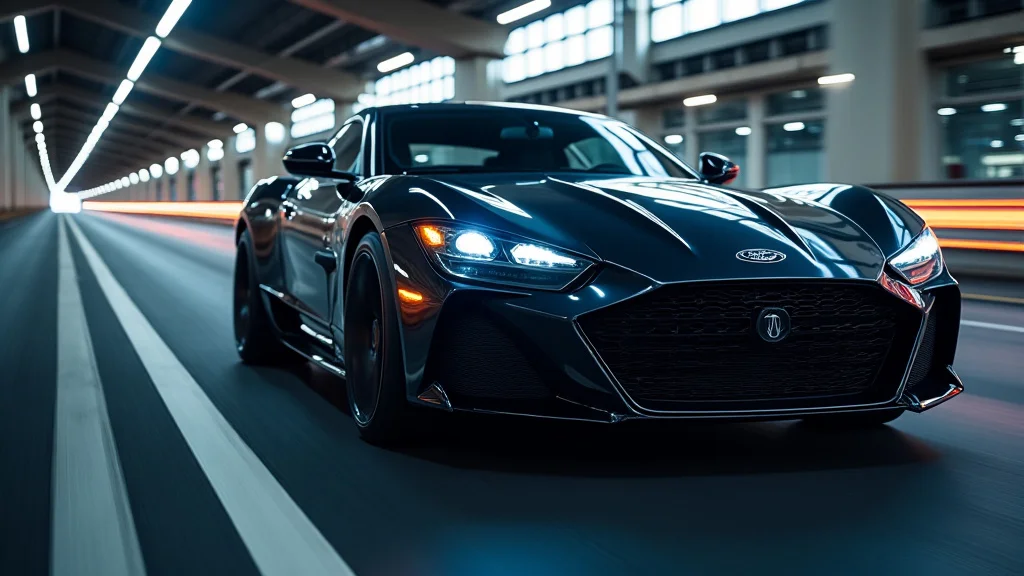
Imagine your car suddenly loses power on a busy highway. It’s a scary scenario, isn’t it? This frustrating experience emphasizes the critical role of a reliable auto motive power system in our everyday lives. This post will explore the core functions of these systems and break down how they keep our vehicles moving. You’ll gain a deeper appreciation for the technology that powers your car, improving your ability to diagnose potential issues. By the end, you’ll feel confident in your basic comprehension of how cars work, making you a smarter consumer.
Key Takeaways
- Learn about the different types of power systems in vehicles today.
- Comprehend the basic components that make an engine work.
- Discover how advancements in technology are changing auto motive power.
- Understand the pros and cons of different fuel types.
- Examine the growing role of hybrid and electric vehicles.
- Get insight into the future trends in auto motive power.
Unveiling the Essentials of Auto Motive Power
The core of any vehicle’s operation lies in its ability to generate and transmit power. The auto motive power system is the heart of any car, truck, or SUV, responsible for converting energy into motion. This complex system contains numerous components, all working in unison to provide the necessary force to move the vehicle. From the engine that starts the process to the transmission that puts the power to the wheels, each part plays a vital role in ensuring a smooth and efficient driving experience. Exploring these essentials provides a solid foundation for comprehending how modern vehicles function and the various forms of auto motive power currently used in the industry.
Internal Combustion Engines: The Standard
The internal combustion engine (ICE) is the most common type of engine. It works by burning fuel inside a closed space (the cylinder) to create expanding gases. This expansion pushes a piston, which turns the crankshaft, and eventually, the wheels. The ICE has been the standard for decades, and various forms of gasoline and diesel engines are still dominant in the marketplace. These engines are celebrated for their power and ease of refueling. They come in diverse configurations, including inline, V-shaped, and flat engines. The ICE is designed for a relatively simple design and can be easily maintained when compared to the modern-day electric cars. The longevity and reliability, along with the existing infrastructure for fuel, cement their dominance in the market.
- Combustion Cycle: The four-stroke combustion cycle (intake, compression, combustion/power, exhaust) is the basic principle.
- Fuel Delivery: The process through which fuel is delivered to the combustion chamber via injection.
- Engine Design: Different types of engine designs exist such as inline, V-shaped, and flat engines.
- Cooling Systems: These systems, using coolant and radiators, are important to prevent engine overheating.
- Lubrication Systems: Oil is delivered throughout the engine to minimize friction.
Alternative Fuel Technologies
The need for more sustainable options has prompted the development of alternative fuels. These fuels offer a diverse range of environmental and performance benefits, from reducing emissions to increasing vehicle efficiency. From biodiesel derived from renewable resources to compressed natural gas and propane, each offers a unique approach to powering vehicles. Alternative fuel technologies are an important part of the conversation, offering a path towards reduced emissions and a diversified energy landscape for the transport sector. These developments showcase the evolution in auto motive power systems, driving improvements in sustainability and performance.
- Biodiesel: A renewable fuel made from vegetable oils, animal fats, or recycled grease.
- Compressed Natural Gas (CNG): A cleaner-burning alternative to gasoline, with a lower carbon footprint.
- Ethanol: An alcohol-based fuel that can be blended with gasoline to reduce emissions.
- Propane (Liquefied Petroleum Gas – LPG): A readily available fuel with lower emissions.
- Hydrogen: A futuristic fuel source that offers zero tailpipe emissions.
The Role of Transmission Systems
Transmission systems are the crucial link that transfers power from the engine to the wheels. They are responsible for matching engine power to the vehicle’s speed and the load it’s carrying. The transmission system allows the car to accelerate, maintain speed, and climb hills efficiently. Different types of transmissions exist, including manual, automatic, and continuously variable transmissions (CVTs), each with their own features, benefits, and operation strategies. These systems are designed to convert the engine’s power into torque, which is the rotational force that turns the wheels. The transmission system plays a vital role in fuel efficiency and overall vehicle performance.
- Manual Transmissions: The driver manually selects gears with a clutch.
- Automatic Transmissions: The transmission automatically changes gears.
- Continuously Variable Transmissions (CVTs): CVTs provide seamless gear changes and improved fuel economy.
- Torque Converters: Transmit power from the engine to the transmission in automatic cars.
- Gear Ratios: Affect acceleration and fuel efficiency based on the gearing.
Advancements in Auto Motive Power Technologies
Innovation continues to reshape the landscape of auto motive power, pushing the limits of efficiency, performance, and sustainability. Technological advancements include advancements in engine design, alternative fuels, and energy-efficient systems. Electronic control units (ECUs), enhanced combustion processes, and more effective cooling systems are all factors. These changes contribute to more powerful, efficient, and environmentally friendly vehicles. These advancements are instrumental in meeting global emissions standards, lowering operating costs, and providing better driving experiences. They demonstrate an effort to evolve the traditional means of powering vehicles.
Hybrid Vehicles
Hybrid vehicles combine a gasoline engine with an electric motor and battery system. They utilize both power sources to improve fuel economy and reduce emissions. Hybrid cars use the electric motor for low-speed driving and acceleration, then switch to the gasoline engine at higher speeds. They also use regenerative braking, which captures energy during braking to recharge the battery. Hybrids offer a transition toward electric vehicles. They blend efficiency and environmental friendliness with the reliability of conventional gasoline engines. Their popularity has surged, signifying an important shift in vehicle technology and the evolution of auto motive power.
- Parallel Hybrids: Both the engine and motor can drive the wheels.
- Series Hybrids: The engine charges the battery, which powers the electric motor.
- Plug-in Hybrids: The battery can be charged from an external power source.
- Battery Technology: Lithium-ion batteries offer improved energy density and longevity.
- Regenerative Braking: Captures energy from braking to recharge the battery.
Electric Vehicles
Electric vehicles (EVs) are entirely powered by electricity, with a battery pack and an electric motor. These vehicles produce zero tailpipe emissions, contributing to cleaner air in cities. EVs offer instant torque and quick acceleration, delivering a unique driving experience. They can be charged at home or at public charging stations, and charging times are becoming shorter with the latest fast-charging technologies. The growing adoption of EVs, along with government incentives, has made them popular. The development of charging infrastructure, improved battery technology, and increasing vehicle range are helping these vehicles play an important role in the future.
- Battery Packs: They store energy and determine the vehicle’s range.
- Electric Motors: They convert electrical energy into mechanical power.
- Charging Infrastructure: Public and private charging stations are essential for EV use.
- Vehicle-to-Grid (V2G): The ability of EVs to send power back to the grid.
- Energy Efficiency: EVs have high energy efficiency ratings compared to ICE vehicles.
Fuel Cell Vehicles
Fuel cell vehicles (FCVs) use hydrogen as fuel. Hydrogen reacts with oxygen in a fuel cell, producing electricity to power the vehicle. The only byproduct is water vapor, making FCVs a zero-emission alternative. FCVs can be refueled quickly, similar to gasoline cars, which is a major advantage over EVs. The technology is rapidly advancing, with improved fuel cell efficiency and an expanding hydrogen infrastructure. These vehicles are considered an important part of the auto motive power discussion. They have the potential to deliver a balance of range and emission-free operation.
- Hydrogen Production: Methods for producing hydrogen fuel.
- Fuel Cell Stacks: The core component of the FCV, where the reaction occurs.
- Hydrogen Storage: High-pressure tanks safely store hydrogen on board.
- Power Inverters: Converting DC power from the fuel cell to AC to drive the motor.
- Infrastructure Development: Building a network of hydrogen fueling stations.
The Future of Auto Motive Power
The future of auto motive power is set to be characterized by innovation. Electric vehicles, along with fuel cell vehicles, are expected to grow. Advancements in battery technology, charging infrastructure, and sustainable energy sources will all be critical. The industry is also seeing smart technologies, such as advanced driver-assistance systems (ADAS), that are enhancing safety and convenience. Autonomous driving capabilities are also growing, promising major shifts in how we use vehicles. All of these factors will contribute to more efficient, connected, and sustainable transportation systems. The future depends on embracing these technologies.
Emerging Trends in Powertrain Technology
The powertrain is evolving rapidly, with a focus on electrification, fuel efficiency, and digital connectivity. Battery technology is seeing major advances, with improvements in energy density, charging times, and longevity. The integration of artificial intelligence (AI) and machine learning (ML) is making vehicles smarter. These technologies optimize performance, improve energy management, and enhance safety. These trends are moving the industry toward a sustainable and efficient future. Vehicle connectivity also enables software updates, over-the-air diagnostics, and improved driver experiences.
- Solid-State Batteries: Improving energy density and safety.
- Wireless Charging: A convenient charging option for EVs.
- Advanced Driver-Assistance Systems (ADAS): Enhancing safety with automated features.
- Vehicle-to-Everything (V2X) Communication: Connecting vehicles to infrastructure.
- Smart Grids: Using vehicle batteries to stabilize the power grid.
Sustainability and Environmental Impact
The environmental impact of vehicles is a major concern. The industry is focused on reducing greenhouse gas emissions and embracing sustainable practices. This includes reducing reliance on fossil fuels, promoting the use of renewable energy, and designing vehicles with recyclable components. Life cycle assessments (LCAs) are used to evaluate the environmental impacts of vehicles from production to end-of-life disposal. Sustainable material usage is also being adopted. Recycling and reusing components are essential to minimize waste. The growth of eco-friendly vehicles shows the industry’s dedication to reducing its environmental impact.
- Life Cycle Assessments (LCAs): Assessing the environmental impact of a vehicle.
- Sustainable Materials: Using recycled and bio-based components.
- Circular Economy: Recycling and reusing vehicle components.
- Renewable Energy: Powering charging stations with solar and wind.
- Carbon Neutrality: Aiming for zero-emission vehicles across the lifecycle.
Common Myths Debunked
Myth 1: Electric Cars Are Not Environmentally Friendly.
Reality: Electric cars produce zero tailpipe emissions, meaning they don’t release any pollutants while driving. While the production of batteries does have an environmental impact, the overall carbon footprint of an EV is typically lower than that of a gasoline car, especially when charged with renewable energy sources. The energy needed to power them is changing rapidly, with greater reliance on wind, solar, and other green power sources.
Myth 2: Electric Cars Have Limited Range and Are Not Practical.
Reality: Electric vehicle range has increased significantly in recent years. Many current models offer ranges that exceed 200 or 300 miles on a single charge. This covers many daily driving needs. While range can still be a consideration for certain drivers, improvements in battery technology and charging infrastructure are steadily making EVs more practical for more drivers.
Myth 3: All Electric Cars Are Expensive.
Reality: While some electric vehicles are premium models, more affordable options are becoming available. Government incentives, tax credits, and lower operating costs (like cheaper electricity for “fueling” the car) can lower the overall expense. The price of EV technology is constantly lowering, making them more budget-friendly.
Myth 4: Hydrogen Cars Are Better Than Electric Vehicles.
Reality: Both EVs and hydrogen fuel cell cars have advantages, but no single type of auto motive power system is definitively “better.” EVs have a more mature infrastructure and are more efficient in converting electricity to motion. Hydrogen cars offer faster refueling times and long ranges. The ideal choice varies depending on the use case and available infrastructure.
Myth 5: Hybrid Vehicles Are Only Useful for Short Trips in Cities.
Reality: Hybrid vehicles offer benefits for all types of driving scenarios. They provide increased fuel efficiency in cities and on highways. While they’re effective in urban areas, their regenerative braking and efficiency make them a good option for all distances. Hybrid technology suits a broad range of drivers, improving overall fuel economy and minimizing emissions, no matter the driving environment.
Frequently Asked Questions
Question: How does an internal combustion engine work?
Answer: An internal combustion engine (ICE) works by burning fuel inside a closed cylinder to produce expanding gases. These gases push a piston, which rotates a crankshaft, ultimately turning the wheels and generating motion.
Question: What are the main advantages of electric vehicles?
Answer: Electric vehicles (EVs) have several advantages, including zero tailpipe emissions, lower running costs due to cheaper electricity, and quiet operation. They also have instant torque, providing rapid acceleration.
Question: What is regenerative braking?
Answer: Regenerative braking is a system that captures energy during braking and converts it back into electricity to recharge the vehicle’s battery. This system boosts the efficiency and extends the driving range of hybrid and electric vehicles.
Question: What is the difference between a hybrid and a plug-in hybrid?
Answer: A hybrid vehicle uses a combination of a gasoline engine and an electric motor to improve fuel economy, while a plug-in hybrid can be charged by an external power source, enabling it to travel longer distances on electric power alone.
Question: What are the challenges of using hydrogen fuel cell vehicles?
Answer: The major challenges of hydrogen fuel cell vehicles are the cost of hydrogen production, limited refueling infrastructure, and the high cost of fuel cell technology.
Final Thoughts
The journey through the world of auto motive power reveals a dynamic industry. From the familiar rumble of internal combustion engines to the quiet hum of electric motors, the options are varied and evolving. Understanding the basics—the mechanics, different types of fuel, and new advances—is important for any driver. The shift to more sustainable solutions, like hybrids, electric vehicles, and hydrogen fuel cells, reflects a changing emphasis on environmental responsibility and energy efficiency. As technology advances, we can expect to see further innovations in this area. Staying informed is important. Explore the latest models, learn about the newest technologies, and consider how the future of transportation will impact your driving experiences.