
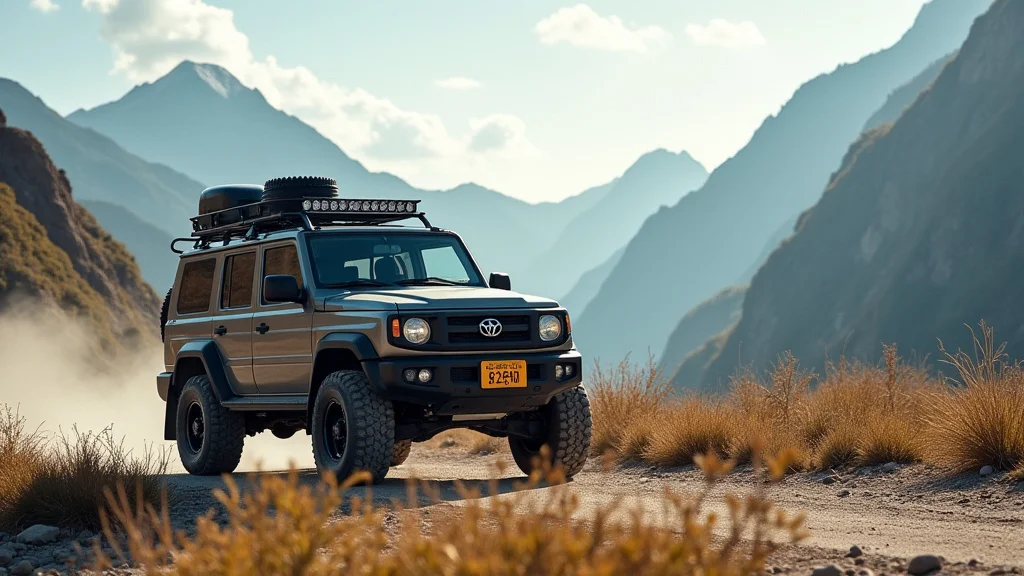
Picture this: you’re planning a trip, dreaming of wide-open spaces and the thrill of the road. But which vehicle do you choose? For those who crave adventure, the answer might just lie in auto motive japan amj overland. This blog post will explore the exciting options and possibilities this field has to offer. You’ll get a clear picture of what makes this a good choice and what to consider when you begin your own exploration. Get ready to explore the exciting possibilities of off-road adventures and gain insights to help plan your next trip.
Key Takeaways
- Discover the core elements of auto motive japan amj overland vehicles.
- Learn the important gear and equipment for adventurous trips.
- Explore popular destinations suitable for overlanding experiences.
- Find out how to prepare for off-road travels.
- Understand the safety measures needed for remote travels.
- Recognize the vehicle modifications needed for a successful trip.
Unveiling the World of Auto Motive Japan AMJ Overland
Overlanding is more than just a hobby; it’s a lifestyle. It combines the thrill of off-road exploration with the comfort of camping. This adventure is centered around self-reliance and the spirit of discovery. This exploration often involves traveling through remote areas, tackling diverse terrains, and being prepared to handle any situation. The auto motive japan amj overland movement has grown because of its blend of exploration, freedom, and the satisfaction of overcoming challenges.
What Defines an Overland Vehicle?
An overland vehicle is built for endurance and self-sufficiency. It goes beyond the typical off-road vehicle by incorporating features that allow for extended travel and living. These vehicles are designed to carry everything needed for a trip, from camping gear to repair tools. They are equipped to handle varied weather and road conditions. This includes features like enhanced suspension systems, strong tires, and storage solutions to carry everything needed for a long trip. Vehicle modifications, such as the installation of winches, roof racks, and auxiliary fuel tanks are common, alongside the addition of camping equipment, like tents, awnings, and portable power systems.
- Enhanced Suspension Systems: This is a key modification for tackling rough terrain. Upgraded suspension increases ground clearance, absorbs bumps, and improves handling on uneven surfaces. This typically involves lifting the vehicle and adding heavy-duty shocks and springs. For example, a vehicle with a lifted suspension can clear larger obstacles, like rocks and logs, improving the overall driving experience.
- Durable Tires: Choose tires designed for off-road use. All-terrain tires provide a good balance between on-road comfort and off-road grip. Mud-terrain tires offer greater traction in mud and loose surfaces. These tires must be able to withstand punctures and wear. Selecting the right tires is a key step in prepping your vehicle.
- Storage Solutions: Efficient storage is a must for overlanding. This includes roof racks, cargo boxes, and interior organizers. These solutions maximize space and keep gear secure. Roof racks can hold tents, recovery equipment, and spare tires, while interior organizers keep items within easy reach. The right storage setup will enhance organization and easy access.
- Recovery Gear: Always carry essential recovery equipment. This includes a winch, recovery straps, shackles, and a high-lift jack. A winch is critical for self-recovery when stuck. Recovery straps help to pull vehicles out of mud or sand. A high-lift jack is ideal for lifting vehicles for tire changes or repairs.
Essential Equipment for Your Adventure
Preparing for an overland trip includes more than just choosing a vehicle. It includes having the right equipment to ensure a comfortable and safe experience. From navigation tools to personal safety gear, proper preparation is essential. The following items are important to consider to be sure you have a safe and successful trip.
- Navigation and Communication: Modern GPS units, satellite communicators, and detailed maps are essential. GPS units help with route planning and navigation. Satellite communicators offer a way to send and receive messages in areas without cell service. Printed maps and a compass serve as backups. These items are the key to staying on track and staying in touch.
- Camping and Sleeping Gear: A comfortable camp setup is vital for enjoyment. This means a durable tent, a sleeping bag rated for the expected temperatures, and a comfortable sleeping pad. Consider a camp table and chairs to enhance the camping experience. A well-equipped camp will ensure a good night’s rest and a place to relax after a day of driving.
- Cooking and Food Supplies: Choose a portable stove, cooking utensils, and enough food for the duration of the trip. A cooler will help keep food fresh. Pack non-perishable food items, like canned goods and dried foods. Consider the need for water purification equipment.
- Personal Safety and First Aid: A comprehensive first-aid kit is crucial. It must include bandages, antiseptic wipes, pain relievers, and any personal medications. Bring a supply of water and sun protection. Consider bringing a satellite phone or personal locator beacon.
Popular Destinations to Explore
The allure of auto motive japan amj overland is enhanced by the opportunity to explore stunning locations. From the rugged terrains of the American West to the diverse landscapes of Japan, there are many destinations to discover. Before you select a location, consider your experience level and the vehicle capabilities.
North America Overland Routes
North America is home to a variety of areas perfect for overlanding. These routes have beautiful vistas and challenges. They offer opportunities to test your skills and experience wilderness. Here are a few popular destinations:
- The Mojave Road, California: This historic route offers a mix of desert landscapes and historical sites. The 140-mile trail follows the path of an old Native American trade route. Travelers may encounter sandy washes, rocky trails, and the potential for wildlife sightings. Permits and preparation are needed due to the conditions.
- The White Rim Road, Utah: This trail in Canyonlands National Park provides views and challenging driving conditions. The 100-mile loop takes adventurers through canyons and mesas. High clearance and four-wheel drive are needed. Permits are required and reservations are often needed well in advance.
- The Trans-America Trail: This cross-country route stretches across the United States. It’s a true test of overlanding skills and vehicle endurance. The trail is made up of a combination of dirt roads, gravel paths, and occasionally, paved sections. The Trans-America Trail is designed for experienced overlanders who enjoy a mix of terrains.
International Overland Spots
The rest of the world offers various overlanding experiences. From the mountains of South America to the deserts of Africa, overlanders can find adventure. Consider climate conditions, road quality, and local regulations when planning international trips. This requires research and careful preparation.
- The Australian Outback: Experience vast landscapes and demanding conditions in the Australian Outback. This includes remote dirt tracks and sandy areas. Be prepared for extreme heat and the need for significant self-sufficiency. This type of journey rewards those prepared to meet its challenges.
- The Silk Road, Central Asia: Travel the historic trade routes of the Silk Road. This offers a mix of culture, history, and adventure. Explore ancient cities, high mountain passes, and deserts. This journey requires preparation, including visa requirements and cross-border travel. This is a journey through time and nature.
- The Atlas Mountains, Morocco: The Atlas Mountains in Morocco offer stunning mountain views. They feature off-road trails and opportunities to explore Berber villages. The trails vary in difficulty, making them suitable for many skill levels. Be ready for varied weather conditions and changing landscapes.
Planning and Preparation
Proper planning is essential for a safe and enjoyable auto motive japan amj overland experience. Planning includes many aspects, from route selection and vehicle preparation to packing gear and understanding local conditions. This preparation reduces risks and allows for a more relaxed and immersive experience.
Vehicle Prepping for Off-Road Travels
The vehicle is the center of any overlanding adventure. Proper vehicle preparation includes mechanical upkeep and modifications for off-road use. This includes inspecting the vehicle and fitting it with essential equipment.
- Mechanical Inspection: Perform a complete inspection of your vehicle. This includes the engine, transmission, brakes, and suspension. Check and replace any worn parts. Change fluids, including engine oil, transmission fluid, and coolant. Ensure the cooling system is in good condition to handle increased demands.
- Tire Selection and Maintenance: Choosing the right tires is critical for off-road traction and durability. Select tires suited for the type of terrain you will encounter. Carry a spare tire that matches your main tires. Check tire pressure before each day’s drive and carry a tire repair kit.
- Recovery Gear and Tools: Keep recovery gear and tools on hand in case of emergencies. This includes a winch, recovery straps, and a high-lift jack. Carry a basic tool kit to fix minor repairs in the field. Be familiar with how to use your equipment before the trip.
- Communication and Navigation: Install a communication device, such as a CB radio or satellite communicator. Use a GPS to plan routes. This includes maps, a compass, and relevant navigation software.
Route Planning and Navigation
Planning the route and knowing how to navigate it are key to a successful overland trip. Proper navigation makes it easier to stay on course, avoid hazards, and explore the landscape.
- Choose a Route: Research routes that match your experience level. Consider the difficulty of the terrain, weather conditions, and permit requirements. Identify potential hazards, like water crossings and steep grades.
- Gather Maps and Resources: Gather detailed maps, including topographic maps and GPS data. Use online resources and guidebooks to research the area. Look for information about road conditions, campsites, and points of interest.
- Plan for Emergencies: Be prepared to handle unexpected events. Inform someone of your route and estimated return date. Carry a satellite phone or personal locator beacon. Have a plan for dealing with vehicle breakdowns, injuries, or severe weather conditions.
- Check Weather Conditions: Weather conditions can change the route. Watch the weather forecasts carefully. Have alternative routes in case of unexpected events, such as heavy rain or snow. Prepare for changing conditions by carrying appropriate gear.
Safety First: Tips for Remote Travel
Safety is the most important part of auto motive japan amj overland. Remote travel comes with its own set of dangers, including isolation, weather, and mechanical issues. By following these safety tips, you can reduce risk and ensure a good trip.
Pre-Trip Preparations
The time you spend preparing before the trip significantly affects your safety. This includes both physical and logistical preparations. This planning lowers your chances of incidents and increases the chance that you will have an enjoyable and safe adventure.
- Inform Others: Tell family and friends about your travel plans. This includes your route, the estimated time of return, and contact information. Give them the ability to contact emergency services if needed.
- Check Vehicle Reliability: Ensure the vehicle is in top mechanical condition. Have a pre-trip inspection. Have spare parts and tools on hand for quick repairs.
- Pack the Essentials: Be sure you have all your essential gear, including first aid, navigation tools, and communication devices. Be prepared for changing weather conditions and have extra clothing.
- Take a First Aid Course: Learn basic first aid skills. Be prepared to handle injuries and illnesses. Bring a comprehensive first-aid kit and know how to use it.
On-the-Road Safety
Safety during the trip involves paying attention to the road and the environment around you. This means practicing safe driving habits and being aware of the surrounding dangers.
- Drive with Caution: Drive at speeds suited to the terrain. Avoid risky maneuvers and be careful when crossing water or climbing hills. Have recovery equipment and know how to use it before you begin.
- Monitor Weather Conditions: Pay attention to changes in the weather. Know how to react to rain, snow, or extreme heat. Have the equipment and skills to manage the different conditions.
- Stay Hydrated and Well-Rested: Drink plenty of water and get enough sleep. Fatigue can impair judgment and lead to accidents. Take breaks and rotate drivers if needed.
- Respect the Environment: Follow Leave No Trace principles. Pack out everything you pack in. Avoid damaging vegetation and disturbing wildlife.
Common Myths Debunked
There are many ideas about auto motive japan amj overland. Separating fact from fiction helps in preparing for a trip. This section will look at some of the most common myths, providing explanations that will help you plan your journey.
Myth 1: Overlanding Is Only for Experienced Drivers
The idea that overlanding is just for experienced drivers is untrue. Overlanding caters to all skill levels. While some routes require advanced driving skills, many are suited for beginners. The key is to start with easier trails and gradually improve skills as you become more comfortable. It is vital to research the route and know the capabilities of your vehicle.
Myth 2: Overlanding Is Expensive
Overlanding is often seen as a costly activity, but this is a myth. While it can be expensive, particularly if buying a specialized vehicle, many ways exist to make it budget-friendly. This includes starting with a basic vehicle setup, using existing camping gear, and choosing free or low-cost campsites. The long-term costs of overlanding can be controlled by proper maintenance and strategic gear choices.
Myth 3: You Need a Brand New Vehicle to Overland
Many believe you must have a brand-new vehicle to enjoy overlanding. This is untrue. Older, well-maintained vehicles are a great choice for overlanding. These vehicles are generally cheaper and easier to repair, offering a cost-effective option for adventurous trips. The key is to select a dependable vehicle that meets your needs and be certain it has the proper maintenance.
Myth 4: Overlanding Is Always Dangerous
The idea that overlanding is always dangerous is not true. It is true that overlanding can present risks, like driving in remote areas. However, with good planning, a skilled approach, and the right equipment, the dangers can be greatly reduced. Following safety precautions, such as planning routes and informing others, reduces risks. By being prepared, you can enjoy a safe experience.
Myth 5: You Can’t Overland Without Extensive Vehicle Modifications
The need for extensive vehicle modifications to go overlanding is often overestimated. You don’t need a vehicle packed with expensive upgrades to get started. While certain modifications improve performance and comfort, overlanding is possible with basic equipment. Over time, you can add more equipment. The key is to start with the essentials and make adjustments based on the types of adventures you seek.
Frequently Asked Questions
Question: What’s the difference between overlanding and off-roading?
Answer: Off-roading is about driving on unpaved roads and trails, focusing on the vehicle’s capabilities. Overlanding combines this with self-sufficient travel and camping. Overlanding often involves long distances, remote locations, and the need for self-reliance.
Question: Do I need a four-wheel-drive vehicle?
Answer: While four-wheel drive is ideal for many overlanding routes, it’s not always necessary. Many trips use two-wheel-drive vehicles. The right choice depends on the terrain. Four-wheel drive is recommended for challenging situations, such as muddy roads.
Question: What kind of gear should I bring?
Answer: Your gear will include camping equipment, cooking supplies, navigation tools, recovery gear, and a first-aid kit. Pack enough food, water, and clothing for the entire trip. The exact gear will depend on the trip’s location and duration.
Question: How do I choose a destination?
Answer: Consider your experience level, the vehicle’s capabilities, and the time you have available. Research routes carefully, reading about their difficulty, weather conditions, and permit requirements. Start with easier routes and gradually choose more complex challenges.
Question: What do I do if my vehicle breaks down?
Answer: First, stay calm and assess the situation. Use your communication device to contact help. If you have the skills, try to fix the problem. Have recovery gear available and know how to use it. Be prepared for self-recovery if help is not available.
Final Thoughts
Exploring the world of auto motive japan amj overland opens a world of adventures. From the design of special vehicles to the selection of essential gear and the planning of exciting routes, overlanding has something for everyone. This way of exploration provides a unique blend of adventure, self-sufficiency, and freedom. With the correct preparation and a sense of adventure, you can experience a rewarding outdoor journey. Start your journey by researching destinations, prepping your vehicle, and gathering the right gear. Go ahead, get started, and enjoy the open road!