
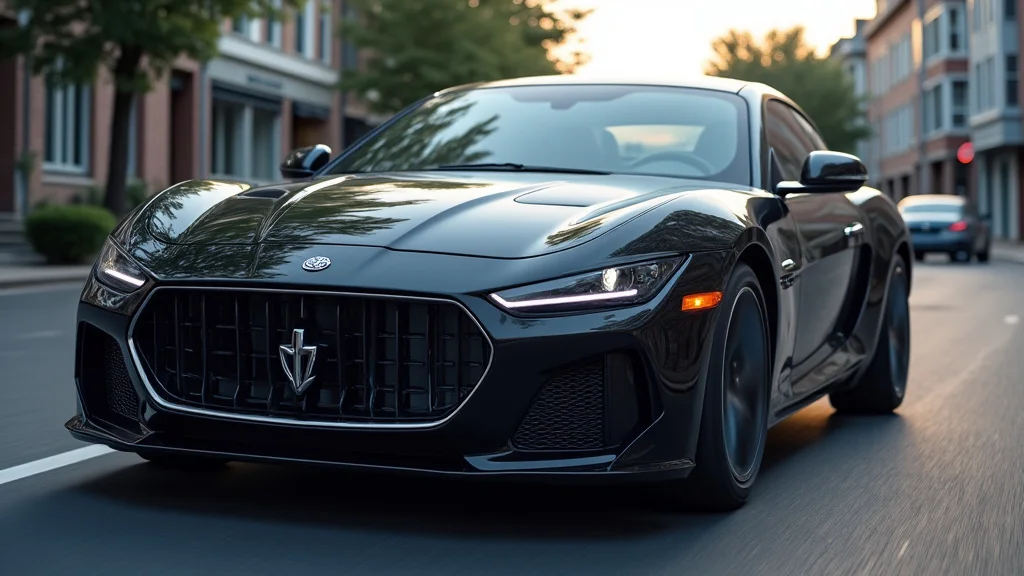
Picture this: you’re stuck in traffic, and suddenly your car’s features start doing what you want, like automatically adjusting speed based on the car in front. The auto motion 59 dc is like the brain behind that, making things easier and safer. This post explores how this technology works and why it is important. It’s designed to give you a clear view, whether you’re a tech enthusiast or just curious about how your car operates. You’ll gain valuable knowledge that allows you to feel confident and informed. This will keep you around longer and reduce your desire to leave immediately.
Key Takeaways
- The auto motion 59 dc uses sensors and software to control vehicle movements.
- It helps enhance safety by assisting with various driving functions.
- This technology integrates into different vehicle systems.
- Understanding this can improve your driving experience.
- It contributes to increased vehicle value and performance.
- The features simplify tasks.
How Auto Motion 59 DC Enhances Vehicle Safety
Safety is a big concern for everyone on the road. The auto motion 59 dc helps improve safety in many ways. It uses many sensors to monitor the car’s surroundings, detect potential hazards, and respond quickly. This system can take over the wheel and help prevent accidents. Think about it like having an extra pair of eyes watching the road. The safety features built into the system are designed to offer protection and support for you and other drivers. The features are constantly improving to make our roads safer.
Advanced Driver-Assistance Systems (ADAS) Integration
The auto motion 59 dc is closely tied to ADAS, which combines hardware and software for safety. ADAS features like adaptive cruise control, lane-keeping assist, and automatic emergency braking are all integrated. These systems use radar, cameras, and other sensors to identify threats. ADAS can help drivers in avoiding accidents, reducing injuries, and improving overall driving behavior. These systems do more than just help; they provide peace of mind. By automating some tasks, ADAS allows drivers to maintain focus. ADAS is not perfect and has limits, but it is continuously improving and offering more advanced features.
- Adaptive Cruise Control: Maintains a set distance from the car ahead, adjusting speed automatically.
- Lane-Keeping Assist: Helps keep the car in its lane by gently steering if it drifts.
- Automatic Emergency Braking: Automatically applies the brakes if a collision is imminent.
This is a system that allows your car to keep a constant speed like traditional cruise control, but it goes further. It uses radar to identify the vehicles in front of your car, and it can adjust the speed to maintain a safe distance. If the car in front slows down, so does your car. If the road clears, your car goes back to the set speed. This system is great for long trips, allowing you to relax and focus on the road.
This system uses cameras to watch the lane markings. If the car starts to drift out of its lane without a turn signal, the system will gently steer it back. It gives drivers extra help to stay in their lane, especially on long, boring drives. This helps to reduce accidents related to drifting out of lanes. It is designed to be a gentle nudge, not a replacement for paying attention.
This system uses sensors to watch for potential collisions. If a crash is predicted, the system quickly applies the brakes, even if the driver doesn’t react. It can reduce the severity of a crash. This system makes the vehicle safer, and provides an important layer of protection. This can prevent or lessen the damage.
Sensor Technologies Used by Auto Motion 59 DC
The auto motion 59 dc uses various sensors to gather information about the environment around the vehicle. These sensors are essential for ADAS functionality. Each sensor type has its strengths, but they work together to provide a thorough picture of the car’s surroundings. The reliability of these sensors is a key element of the safety of the vehicle, so they are constantly checked and improved. These systems are reliable and make driving safer.
- Radar: Detects objects by emitting radio waves and measuring their reflections, effective in all weather conditions.
- Cameras: Provide visual information, used for lane departure warning and traffic sign recognition.
- Ultrasonic Sensors: Used for short-range detection, such as parking assistance.
- Lidar: Uses laser light to create a 3D map of the surroundings, offering high precision.
Radar sensors are the workhorses of ADAS. They send out radio waves, and when these waves hit an object, they bounce back. The system then calculates the distance and speed of the object based on the time it takes for the waves to return. Radar is effective in rain, snow, and fog. This allows the system to work well, even when visibility is poor. Radar is crucial for features like adaptive cruise control, which needs to constantly monitor the distance to other vehicles.
Cameras are the eyes of the ADAS system. They observe the road and its surroundings. They are used for lane departure warning, and can identify traffic signs. The information from cameras is processed by computers to analyze lane markings, traffic signals, and other details. Cameras give ADAS systems a visual context. This helps improve the system’s ability to respond to different driving situations. The camera system helps improve overall safety.
Ultrasonic sensors work by sending out sound waves and measuring the time it takes for them to bounce back. These sensors are helpful for parking and maneuvering in tight spaces. They detect objects, like cars, people, and other obstacles. They provide alerts to the driver. Ultrasonic sensors help to avoid collisions during parking maneuvers. These sensors are an important component of the parking assist systems.
Lidar (Light Detection and Ranging) is a more advanced sensor technology. It uses laser beams to generate a detailed 3D image of the area around the vehicle. Lidar is extremely accurate. It allows ADAS systems to see small objects and identify them, like pedestrians or cyclists. Lidar is useful in self-driving cars. It’s often used in high-end vehicles. Lidar is useful for features like automated emergency braking.
The Role of Software in Auto Motion 59 DC
Software is as important as the hardware. It is the brain that interprets the data from the sensors and controls the vehicle’s functions. The auto motion 59 dc contains various software components that are constantly working to improve safety and performance. This software needs to be reliable to maintain the safety and usefulness of these features. Software updates are essential for improvements and performance.
Control Algorithms and Decision Making
Control algorithms are sets of rules that the auto motion 59 dc uses to make decisions. These algorithms take in data from the sensors. They process the information and determine the actions needed to keep the car safe and operating efficiently. These algorithms determine how the car steers, accelerates, and brakes. This software is constantly making decisions to make sure the car is safe.
- Data Fusion: Combining data from multiple sensors to create a complete picture of the environment.
- Object Recognition: Identifying and classifying objects such as pedestrians, vehicles, and traffic signs.
- Path Planning: Determining the safest and most efficient route for the vehicle.
Data fusion is the process of combining the data from different sensors into a single, comprehensive view. Each sensor has its strengths and weaknesses, so combining the data makes the picture of the car’s surroundings more accurate and reliable. The system is able to make better decisions by using the information from all sensors. This improves the safety features.
Object recognition is the process of identifying things on the road. The system uses computer vision algorithms to look for objects. The system identifies pedestrians, vehicles, traffic signs, and other important objects. This allows the car to react properly. Object recognition is key to several ADAS features, such as automatic emergency braking, because it identifies potential hazards.
Path planning is about how the car moves. It plans the route the car should take to get to the destination. Path planning takes into account road conditions, traffic, and other hazards. The software creates a route that is safe and keeps the car on the right path.
Software Updates and Maintenance
Software updates are essential for keeping the auto motion 59 dc working correctly. These updates fix bugs, add new features, and improve existing ones. The automotive industry is working on over-the-air updates to make it easier for drivers to keep their systems up to date. Regular maintenance is a requirement for any automotive feature. Staying current improves the system’s performance and ensures it is working correctly.
- Over-the-Air (OTA) Updates: Wireless updates that can be installed without visiting a service center.
- Diagnostics and Troubleshooting: Tools and procedures for identifying and fixing software issues.
OTA updates allow car owners to receive software updates directly. This allows the car’s software to be updated without going to a dealership. This is more convenient. It also allows car manufacturers to quickly fix bugs and push out improvements. OTA updates are improving the experience. They allow for new features to be added to vehicles.
Software diagnostics tools are essential for identifying any problems that may occur. Car manufacturers include diagnostic tools to help identify problems. These tools can read error codes, test sensors, and pinpoint software problems. Troubleshooting helps technicians identify and fix any software problems. Regular maintenance is essential to keep the systems running correctly.
How the Auto Motion 59 DC Improves the Driving Experience
Driving can be tiring. The auto motion 59 dc helps make driving more enjoyable and less stressful. The system has features that simplify driving tasks. They take away some of the things that can be distracting to drivers. The technology makes the car more comfortable and easier to drive. The result is an experience that is safer and more enjoyable.
Convenience Features and Enhanced Comfort
The auto motion 59 dc integrates features to improve comfort and reduce effort. These features are designed to make the driving experience more pleasant, such as automatic climate control, comfortable seats, and advanced infotainment systems. The systems can be customized to offer a driving experience that meets your needs. These features change driving from a task to a good experience.
- Automatic Climate Control: Maintains a comfortable cabin temperature automatically.
- Power Seats and Memory Settings: Adjusting seat positions for better comfort and easier use.
- Advanced Infotainment Systems: Provides access to navigation, entertainment, and communication features.
Automatic climate control is designed to keep the car’s interior at a comfortable temperature without driver input. The system uses sensors to monitor the temperature inside and outside the vehicle. It adjusts the air conditioning and heating automatically. This helps to reduce the effort needed to maintain a comfortable temperature. Automatic climate control offers convenience and makes trips better.
Power seats allow drivers to easily adjust their seating positions using electric controls. Memory settings can store different seating positions, so the driver can select their preferred setting quickly. Power seats improve comfort. They make it easier for each driver to find the most comfortable and safe driving position. The memory settings make sharing the car simple. It avoids having to adjust everything each time.
Infotainment systems are at the center of the car’s technology. They integrate navigation, entertainment, and communication features. Touchscreens give a user-friendly way to access all these features. Advanced systems offer features like smartphone integration, allowing users to control apps, play music, and make calls. The infotainment system makes the driving experience more enjoyable. It helps you stay connected and informed while on the road.
Integration with Other Vehicle Systems
The auto motion 59 dc does not work in isolation. It integrates with other vehicle systems to improve overall performance. This integration makes the car more efficient and safer. These features combine to make the car safer and easier to use. This seamless coordination is key for improved driving.
- Engine and Transmission Control: Coordinating engine performance with driving conditions.
- Brake System Integration: Enhancing braking performance and safety.
- Steering System Integration: Improving steering responsiveness and stability.
The auto motion 59 dc connects with the engine and transmission control systems. It monitors your driving and helps the engine and transmission work together in a smooth and efficient way. When you accelerate, the system adjusts the engine output and transmission shifts to give you the most power. The system makes your car more efficient. This integration means better performance, improved fuel economy, and a more responsive driving experience.
The auto motion 59 dc communicates with the brake system to improve stopping power and safety. It assists with features like anti-lock braking (ABS) and electronic stability control (ESC). ABS prevents the wheels from locking up during hard braking. ESC helps to maintain control during sudden maneuvers. This integration gives you increased stopping power. It also provides extra security. This helps to make driving safer in any conditions.
The auto motion 59 dc works with the steering system to improve how the car handles. It can adjust steering assistance, giving you the right amount of help. This ensures the car is responsive and stable, especially at higher speeds. The system offers comfort and enhances your driving confidence, making driving more fun.
Future Trends and Developments
The auto motion 59 dc is still evolving. With advancements in technology, it will become even more advanced and integrated into the vehicle. The direction of future trends will bring more autonomous driving features and more advanced safety systems. Here’s a look at what the future holds.
Advancements in Autonomous Driving
Autonomous driving is expected to become commonplace. This will change how we drive. The auto motion 59 dc will play a major role in achieving this goal. Future advancements focus on increasing automation and reducing the need for human input. The goal is to make vehicles safer and more efficient. As technology advances, autonomous driving will become more accessible. It will enhance our driving experience.
- Increased Automation Levels: Vehicles capable of handling more driving tasks independently.
- Integration with Smart Infrastructure: Connecting vehicles with traffic signals and road systems.
- Development of Self-Healing Systems: Addressing failures to improve reliability.
Vehicles are becoming more autonomous, with increasing levels of automation. This means the car can handle more and more driving tasks on its own. The vehicles use systems like the auto motion 59 dc, and ADAS features. This includes adaptive cruise control, lane-keeping assist, and automatic emergency braking. Full automation includes the ability to drive in all conditions without any human intervention. Increased automation leads to improved safety and reduced driver fatigue. With advanced sensors, software, and AI, this technology will transform driving in the coming years.
Smart infrastructure is another key component of future driving. Connecting vehicles with traffic lights and road systems is the goal. Vehicles will be able to receive real-time information about traffic conditions and road hazards. They will make decisions based on this information. Vehicles will be able to synchronize with traffic signals. They will be able to adjust speeds to avoid red lights. This system improves traffic flow. It reduces congestion and increases road safety. This integration is changing how we travel.
Self-healing systems can identify and fix problems without driver assistance. These systems use advanced diagnostics. They proactively monitor vehicle components. The goal is to address issues before they become major failures. The software is designed to automatically correct any detected faults. This reduces downtime and enhances the reliability of autonomous driving systems. Self-healing systems are key for future autonomous driving. They are important in improving the safety and usability of self-driving vehicles.
Enhanced Safety and Performance
Future developments focus on improving the performance and safety of the auto motion 59 dc. The goal is to enhance driving experience while also making it safer for the user. These upgrades will incorporate advances in sensor technology, software, and artificial intelligence. These advancements will make the roads safer. They will also improve the overall driving experience.
- Improved Sensor Technology: More accurate and reliable sensors for better performance.
- Artificial Intelligence and Machine Learning: Using AI to improve decision-making.
- Enhanced Cybersecurity Measures: Protecting against hacking to ensure safety.
Improved sensors are a key part of the evolution of the auto motion 59 dc and ADAS systems. Advancements include increased accuracy, a greater range, and increased reliability. These sensors will give the vehicle a better picture of its surroundings. The result is better safety and improved performance. With enhanced sensing capabilities, the systems become more reliable in difficult conditions. This increases the safety of autonomous features.
Artificial intelligence (AI) and machine learning (ML) are set to play a larger role. AI systems will process the data from sensors. They will enable the car to learn from its surroundings, adapt to different driving conditions, and make decisions that enhance safety. ML will allow vehicles to recognize patterns and make predictions. This allows the system to respond quickly and safely. This will improve traffic flow and improve driver safety.
Cybersecurity is an important topic. As cars become more connected, it is vital to keep the vehicle safe from cyber threats. With enhanced cybersecurity measures, the auto motion 59 dc and ADAS systems will be protected from hacking. This includes security protocols, regular software updates, and advanced encryption methods. Enhanced cybersecurity is a key piece in ensuring a safe experience. It makes driving a trusted experience.
Common Myths Debunked
Myth 1: Autonomous driving means completely hands-off.
Reality: While autonomous driving systems are advancing, they usually require driver supervision. Even in advanced systems, the driver needs to be ready to take over the wheel if needed. The technology is advancing, but it’s not quite at a place where you can relax completely on every trip.
Myth 2: ADAS systems make accidents impossible.
Reality: ADAS features, such as automatic braking and lane-keeping assist, help reduce accidents. They are not perfect. Drivers should always pay attention and be ready to take control. ADAS helps, but driving safely is still up to you.
Myth 3: All cars with advanced features are fully autonomous.
Reality: The level of autonomy varies. Some cars have advanced features such as automatic emergency braking. Full autonomy means the vehicle can handle all driving tasks in most situations. Always check what the car can and cannot do.
Myth 4: These systems are easily hacked.
Reality: Car manufacturers are working hard to enhance cybersecurity measures. While there are risks, carmakers are actively working to protect vehicles from cyber threats. Cybersecurity is constantly evolving to stay ahead of emerging threats.
Myth 5: These systems are expensive and for luxury cars.
Reality: The price of these features is decreasing. These features are becoming available in a wide range of vehicles, from budget-friendly cars to luxury models. You will find that these features are now becoming standard.
Frequently Asked Questions
Question: What is the auto motion 59 dc?
Answer: The auto motion 59 dc is a system that uses a network of sensors and software to manage a vehicle’s motion and integrate features for safety and driver support.
Question: What are ADAS features?
Answer: ADAS, or Advanced Driver-Assistance Systems, include features like adaptive cruise control, lane-keeping assist, and automatic emergency braking. These systems use sensors and software to improve safety and driver experience.
Question: How do sensors work with the system?
Answer: Sensors, such as radar, cameras, and ultrasonic sensors, collect data about the car’s surroundings. The system uses this data to identify hazards and make decisions.
Question: Is it safe to rely on these systems?
Answer: While these systems improve safety, drivers must always stay alert and prepared to take control. ADAS systems are meant to support, not replace, the driver.
Question: What are the future trends in this technology?
Answer: Future trends include more advanced autonomous driving features, increased integration with infrastructure, and enhanced safety measures like improved sensor technology and cybersecurity.
Final Thoughts
The auto motion 59 dc is essential for driving. It shows the evolution of vehicles. It includes advanced safety features, enhanced convenience, and improved performance. From assisting with steering to taking over to prevent collisions, the integration of these systems is a big leap forward. Remember the importance of staying informed and continuing to learn how these innovations can make driving better. This offers a way of making the roads safer for everyone. By keeping an eye on the latest developments and adopting new technology, drivers can prepare for the future. Drive safe, and keep exploring the advantages of this advancing technology.