
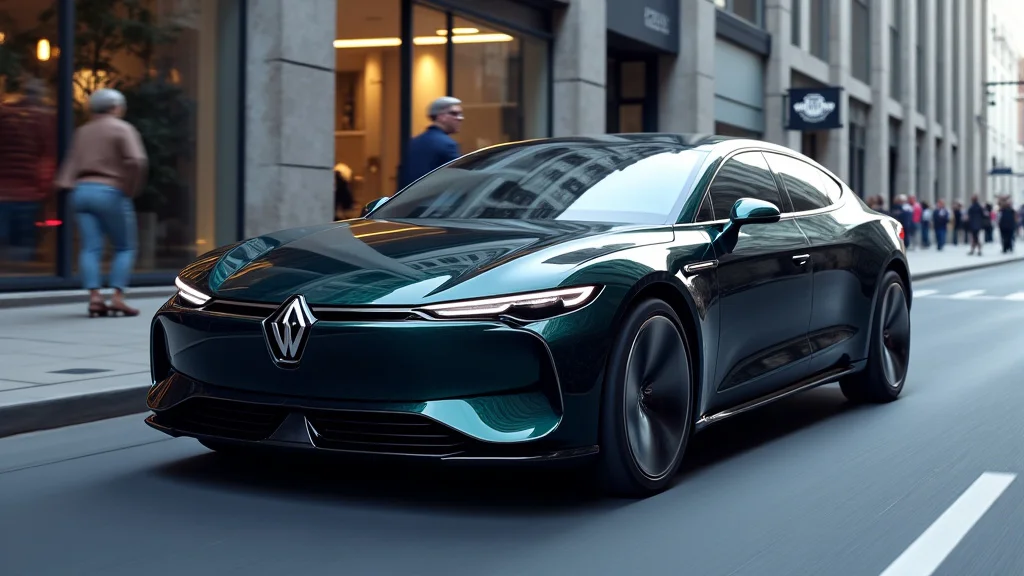
Remember that time you tried to assemble that complicated toy, and the instructions were more confusing than helpful? It’s like trying to grasp the auto motive concept Salaise without a clear guide! This blog post clears away the fog, giving you a crystal-clear view of this innovative approach. You’ll get an inside look at how it works, what it does, and why it’s gaining traction. By the end, you’ll feel confident in your grasp of the topic, making this blog a must-read if you want to know about auto motive concept Salaise.
Key Takeaways
- Discover the core principles that define the auto motive concept Salaise.
- Explore its practical applications and how it’s reshaping the industry.
- Learn the benefits this approach offers to both manufacturers and consumers.
- Examine the technology that powers this innovative auto motive concept.
- Understand the impact of this approach on sustainability and efficiency.
- Get insights into the future potential of the auto motive concept Salaise.
Unpacking the Auto Motive Concept Salaise
The auto motive concept Salaise represents a significant shift in how automobiles are designed, manufactured, and utilized. It’s more than just a new model or a futuristic feature; it’s a holistic approach that focuses on integration, innovation, and, above all, the user experience. This section serves as a broad introduction, touching upon the key elements that contribute to its distinctive character. It lays the groundwork for a more detailed examination of each component, from the core technological underpinnings to the practical applications currently transforming the industry.
The Core Principles of Salaise
At the heart of the auto motive concept Salaise lie a few core guiding principles. These principles help define the approach. First, there’s a strong emphasis on integration. This means seamlessly combining different systems, from the engine and transmission to the infotainment and driver-assistance systems. Second, innovation is crucial. This includes not only technological advancements but also novel approaches to design, manufacturing, and the overall user experience. The third essential component of the auto motive concept Salaise is sustainability. This is more than a trendy buzzword, it’s about making environmentally responsible choices in every aspect of the process, from sourcing materials to energy efficiency. Lastly, there’s a focus on user experience, ensuring that every design and technological choice enhances the driver’s comfort, safety, and enjoyment.
- Integrated Systems: The core is a cohesive system where every element functions as a unit.
- Technological Innovation: The auto motive concept Salaise embraces cutting-edge technology for advancement.
- Environmental Responsibility: Sustainability is a key element of the auto motive concept Salaise.
- User Experience: Placing driver and passenger needs first.
Integrated systems are pivotal to auto motive concept Salaise. This means that the various components – the engine, transmission, infotainment system, and driver-assistance features – are designed to work together seamlessly. This integration enhances performance, efficiency, and safety. Instead of separate systems communicating sporadically, they’re coordinated in real-time. For instance, the engine’s output can be precisely managed by the car’s computer to optimize fuel efficiency, or the safety systems will activate with minimal delay.
Innovation is key to the auto motive concept Salaise. This isn’t restricted to what’s under the hood, but also encompasses user-friendly interfaces, better energy management, and ways to improve safety. For example, advancements in battery technology, which provide greater ranges for electric vehicles, are a direct result of the focus on innovation. This also extends to areas such as autonomous driving capabilities and advanced connectivity features that allow vehicles to communicate with each other and infrastructure.
Sustainability is a crucial factor in the design and operation of auto motive concept Salaise. This includes a commitment to reducing emissions through the development of electric vehicles and fuel-efficient internal combustion engines. It also involves eco-friendly manufacturing processes and the usage of sustainable materials. The goal is to lessen the environmental footprint of vehicles over their entire lifecycle, from production to disposal. Moreover, it encourages the use of recyclable components to minimize waste.
The user experience is prioritized in the auto motive concept Salaise. This means ensuring that vehicles are user-friendly, comfortable, and intuitive to operate. Designers focus on creating advanced infotainment systems, comfortable seats, and controls that are easily accessible. They also work to incorporate safety technologies that enhance driver safety and reduce the risk of accidents. The result is a vehicle that is not only efficient and technologically advanced but also enjoyable and easy to use. The goal is to make the driving experience as smooth and enjoyable as possible.
The Evolution of Auto Motive Concept Salaise
The journey of the auto motive concept Salaise hasn’t been a sudden leap; instead, it has evolved over time. It started with early ideas and has developed through stages of testing and refinement, culminating in the approaches we observe today. This progression has been driven by both technical innovation and shifting consumer preferences. This section looks at the major milestones and the critical elements that have shaped its development. The shift is from basic transportation to complex, user-focused machines.
- Early Ideas: Starting with a vision of what a car could be.
- Testing and Refinement: Putting the ideas into the real world.
- Modern Applications: Seeing the vision in action.
The initial concepts of the auto motive concept Salaise began as abstract ideas, driven by the desire to combine the latest advances in technology. Early designers envisioned a future where vehicles would be more than just methods of transportation. They would incorporate increased safety features and be more environmentally sustainable. These ideas were the basis for later inventions, paving the way for the technologies we know today. These pioneers helped establish the values of efficiency and sustainability, which are central to the approach.
After early concepts were developed, the next step involved extensive testing and refinement. Prototypes were created and put through rigorous testing to make sure they met performance and safety standards. Engineers gathered data to improve efficiency and make corrections based on user feedback. Through iterative cycles of testing and modification, the technology was improved and adapted to match real-world requirements. This continuous improvement process helped turn abstract concepts into tangible, practical solutions.
The auto motive concept Salaise is now being used in various modern applications. Manufacturers are using new approaches to produce efficient and safe vehicles. Electric vehicles, with their focus on sustainability, are becoming common, which demonstrates the values of this approach. Advanced driver-assistance systems, which make driving safer and more convenient, are also widely used. The auto motive concept Salaise is now a reality and will continue to evolve as new technologies emerge.
Key Technologies Driving the Auto Motive Concept Salaise
The auto motive concept Salaise relies on a combination of different key technologies. From sophisticated systems to software improvements, these technologies help enhance the efficiency, safety, and functionality of modern vehicles. This section will explore a number of these technologies, clarifying their role in the auto motive concept Salaise and illustrating how they work together to create a superior driving experience. It will also shed light on how these technologies enable new possibilities in the automotive industry.
Advanced Driver-Assistance Systems (ADAS)
ADAS technologies utilize sensors, cameras, and software to help drivers. These systems improve safety, comfort, and convenience. From adaptive cruise control to lane-keeping assist, ADAS offers a suite of features. This section explores several crucial ADAS technologies, clarifying their functionalities and benefits.
- Adaptive Cruise Control (ACC): Maintaining a set speed and distance.
- Lane Departure Warning (LDW) and Lane Keeping Assist (LKA): Preventing unintentional lane drifts.
- Automatic Emergency Braking (AEB): Reducing collision impact.
Adaptive Cruise Control (ACC) is one of the important functions of ADAS. ACC uses radar sensors to maintain a fixed distance from the vehicle ahead. It adjusts the car’s speed automatically to keep a safe following distance. When the vehicle in front slows down, ACC slows the car down as well. When the road is clear, ACC will bring the car back to the set speed. This system helps lessen driver fatigue on long trips and increases safety by decreasing the risk of rear-end collisions.
Lane Departure Warning (LDW) and Lane Keeping Assist (LKA) use cameras to watch the vehicle’s position in its lane. LDW alerts the driver if the car starts to drift out of its lane. LKA actively corrects the steering to keep the vehicle in its lane. These systems are especially valuable on highways, reducing the risk of accidents caused by lane departure, especially when the driver is distracted or fatigued. These technologies are crucial for making driving safer.
Automatic Emergency Braking (AEB) uses sensors, usually radar or cameras, to spot possible collisions. If a collision is probable, AEB warns the driver. If the driver does not respond, the system will apply the brakes to lessen the severity of the accident or completely avoid it. AEB can greatly lessen the risk of frontal collisions, protecting both passengers and pedestrians. It is a critical safety feature that’s becoming standard in most cars.
Connectivity and Infotainment Systems
Modern vehicles are much more than a way to get from one location to another. Connectivity and infotainment systems provide a variety of features to improve the driving experience. This section examines the significance of connectivity, the features of modern infotainment systems, and their role in the auto motive concept Salaise.
- Vehicle-to-Everything (V2X) Communication: Enhancing safety and traffic flow.
- Advanced Infotainment Features: Providing entertainment and information.
- Over-the-Air (OTA) Updates: Keeping systems current.
Vehicle-to-Everything (V2X) communication allows vehicles to communicate with other vehicles, infrastructure, and pedestrians. This technology includes Vehicle-to-Vehicle (V2V), Vehicle-to-Infrastructure (V2I), and Vehicle-to-Pedestrian (V2P) communications. V2X systems can alert drivers about dangerous road conditions, traffic signals, and potential collision hazards. This communication helps improve road safety, traffic flow, and efficiency. It is a key element of the auto motive concept Salaise.
Advanced infotainment systems provide a variety of functions for drivers and passengers. These systems usually include large touchscreen displays, smartphone integration (Apple CarPlay and Android Auto), navigation, and a variety of entertainment choices. They can also offer real-time traffic updates, weather forecasts, and access to connected services. This enhances the comfort and convenience of driving. Modern infotainment systems greatly contribute to the overall user experience.
Over-the-Air (OTA) updates let manufacturers send software updates to vehicles wirelessly. This technology helps to improve the vehicle’s features, safety, and performance without the need to visit a service center. OTA updates can also improve infotainment and connectivity systems, offering new capabilities. This approach ensures that vehicles are kept up-to-date with the newest technologies. This will help make the car a safer and more advanced machine.
Electric Powertrains and Battery Technology
Electric powertrains and battery technology are critical to the auto motive concept Salaise. They represent a fundamental shift toward sustainable transportation. This section explores the key components of electric powertrains, the advances in battery technology, and their effect on the automotive industry.
- Electric Motor Technology: Delivering efficient power.
- Battery Management Systems (BMS): Enhancing safety and performance.
- Advancements in Battery Technology: Increasing range and efficiency.
Electric motors are the core of electric vehicles, offering efficient and responsive power. The main kinds of electric motors used in EVs include permanent magnet synchronous motors (PMSM) and induction motors. PMSMs offer high efficiency and torque. Induction motors are known for their strength and reliability. The selection of the motor type influences the performance and efficiency of the electric vehicle. Improvements in motor design and materials are constantly increasing the efficiency and performance of electric vehicles.
Battery Management Systems (BMS) are vital in electric vehicles, overseeing the operation and security of the battery pack. The BMS manages the charging and discharging of the batteries, making sure they operate within safe limits. It also monitors battery health, estimates range, and protects against overcharging and overheating. Advanced BMS technologies improve battery life, performance, and safety, which is essential to the dependability of electric vehicles.
Recent advances in battery technology are a key driver in the growth of electric vehicles. Innovations, such as solid-state batteries, lithium-ion batteries, and improved battery chemistries are increasing the energy density and charging speeds. These enhancements have led to greater driving ranges, quicker charging times, and reduced costs. Ongoing research focuses on boosting battery performance, lowering costs, and enhancing sustainability to make electric vehicles more competitive with gasoline vehicles.
Practical Applications and Real-World Examples
The auto motive concept Salaise isn’t just a set of theories; it’s a driving force behind innovative products and systems that change the way we use vehicles. This section will look at the real-world applications of the auto motive concept Salaise, highlighting how they are used and impacting the industry. It also includes examples of organizations utilizing this approach.
Electric Vehicle (EV) Integration
Electric vehicles (EVs) are a key example of the auto motive concept Salaise in action. The shift towards EVs represents a change in how we power and use vehicles. This section will discuss the advantages of EVs, their influence on the automotive industry, and several examples of organizations that excel in EV integration.
- Benefits of Electric Vehicles: Understanding the advantages.
- Impact on the Automotive Industry: Shifting dynamics and changing business models.
- Case Study: Tesla’s EV Success: The model for innovation.
Electric vehicles (EVs) offer numerous advantages. They generate zero tailpipe emissions, helping to reduce air pollution and greenhouse gas emissions. EVs have cheaper operating costs than gasoline vehicles due to reduced maintenance and lower fuel prices. EVs also provide a smoother and quieter driving experience, with quick acceleration and responsive performance. Government incentives and decreasing battery costs are making EVs a more appealing choice for consumers.
Electric vehicles (EVs) are causing major changes in the automotive industry. Manufacturers are making considerable investments in EV development, production, and infrastructure. This has led to the growth of new markets for EV components and services. Established automakers and startups are aggressively pursuing the EV market, promoting competition and innovation. These changes have an effect on supply chains and create new prospects for jobs and economic growth.
Tesla has become a pioneer in the electric vehicle (EV) market. Tesla introduced long-range electric vehicles with advanced technology, such as Autopilot and large touchscreens. Tesla’s vertically integrated business model includes battery production, charging infrastructure, and vehicle manufacturing, which helps the company control costs and ensure quality. Tesla’s success has inspired other automakers to join the EV market, driving innovation and expanding consumer choice.
Autonomous Driving Technology
Autonomous driving technology is at the forefront of innovation within the auto motive concept Salaise. This technology will change transportation. This section examines the levels of automation, the difficulties in autonomous driving technology, and some of the key developers in the industry.
- Levels of Automation: Defining the stages of autonomy.
- Challenges in Autonomous Driving: Addressing obstacles to deployment.
- Real-World Example: Waymo’s Robotaxi Service: Pioneering autonomous services.
Autonomous driving is categorized into levels of automation, from Level 0 (no automation) to Level 5 (full autonomy). At Level 0, the driver is in complete control of the vehicle. Level 1 involves driver assistance functions like adaptive cruise control. Level 2 offers partial automation. Level 3 permits conditional automation under limited conditions. Level 4 allows high automation, while Level 5 allows full autonomy in all situations. Each level needs increasing amounts of sensing, computing, and software capabilities.
There are several challenges in developing and deploying autonomous driving technology. These challenges include the need for advanced sensors, high-performance computing, and complex algorithms. Thorough testing and validation of the technology in a range of road and weather conditions are required. Furthermore, safety and ethical issues, such as liability in accidents and the decisions that autonomous vehicles make, must be carefully considered. It’s also important to create standards and regulations for the use of autonomous vehicles.
Waymo, owned by Google’s parent company, Alphabet, is a leader in autonomous driving technology. Waymo is testing and commercializing robotaxi services in a variety of cities. Waymo’s vehicles utilize sensors such as LiDAR, cameras, and radar to navigate surroundings. Waymo is gathering considerable data on performance and safety as it builds its technology. Waymo’s effort shows the potential of autonomous vehicles to change transportation, providing a safer, more efficient, and more convenient transportation mode.
Common Myths Debunked
Misinformation can be confusing when exploring innovative approaches such as the auto motive concept Salaise. It’s important to challenge common misconceptions. This part will dispel several myths about this concept, giving a clearer and more fact-based viewpoint.
Myth 1: The Auto Motive Concept Salaise is only for luxury cars.
Reality: The auto motive concept Salaise is not limited to luxury vehicles. While it’s true that some of the earliest implementations appeared in luxury cars, the fundamental principles — integration, innovation, sustainability, and user experience — are applicable to all types of vehicles. You’ll see these ideas being adopted across the entire market, from economical compacts to commercial trucks. The goal is to improve the quality, efficiency, and sustainability of all cars, not just the expensive ones.
Myth 2: EVs are only viable in warm climates.
Reality: Electric vehicles (EVs) are growing in different climate conditions. While the cold can reduce battery performance, modern EVs are designed to handle cold climates effectively. Improvements in battery technology and thermal management systems assist in preserving efficiency and range in colder conditions. Many individuals in regions with freezing temperatures successfully use EVs. The idea that EVs are unsuitable for cold climates is often based on older technologies and outdated information.
Myth 3: Autonomous cars are completely safe now.
Reality: While autonomous driving technology has made tremendous progress, it is not yet flawlessly safe. Autonomous vehicles still face difficulties in certain conditions, such as severe weather or unusual traffic situations. Ongoing testing, research, and development are crucial for improving safety, reliability, and security. It is vital to continue improving these systems before they can be completely trusted without driver supervision.
Myth 4: The auto motive concept Salaise is just a temporary trend.
Reality: The auto motive concept Salaise is not a temporary trend. It represents a fundamental shift in how the industry is working. The move towards electric vehicles, autonomous technology, and a focus on sustainability is transforming the automotive industry. As consumer preferences evolve, new regulations are implemented, and technological advances are made. It’s clear that these trends are set to continue. This change is being driven by innovation and a shift towards more sustainable practices.
Myth 5: It’s impossible to get parts for EVs.
Reality: The availability of EV parts is improving as EV adoption grows. Manufacturers are setting up supply chains and support networks to ensure that parts are easily accessible. While some parts may take longer to obtain than traditional gasoline vehicle parts, the situation is improving. The growing number of EVs on the road means more service centers and technicians trained to service and maintain these vehicles. Availability will likely improve with time.
Frequently Asked Questions
Question: What are the primary advantages of electric vehicles (EVs) in the context of the auto motive concept Salaise?
Answer: EVs help with the auto motive concept Salaise. They reduce tailpipe emissions, lowering pollution. EVs also have lower running costs because electricity is usually less expensive than gasoline. Also, EVs provide a quiet, smooth driving experience.
Question: How do Advanced Driver-Assistance Systems (ADAS) contribute to safety?
Answer: ADAS uses sensors and cameras to help with driver safety. It includes features like automatic emergency braking and lane departure warning. These features reduce accidents and improve driver comfort.
Question: What is Vehicle-to-Everything (V2X) communication, and why is it important?
Answer: V2X enables vehicles to communicate with other vehicles and infrastructure. This enables vehicles to share data about traffic, road hazards, and other key details. This is key for improving safety and traffic flow.
Question: How is the user experience enhanced in the auto motive concept Salaise?
Answer: It incorporates user-friendly interfaces, such as large touchscreen displays. It also includes advanced connectivity and infotainment features to improve driver comfort.
Question: What is the role of Over-the-Air (OTA) updates in modern vehicles?
Answer: OTA updates permit software upgrades to be installed remotely. This improves the vehicle’s features and performance. This also helps keep the infotainment and connectivity systems current.
Final Thoughts
The auto motive concept Salaise marks a transformative period in the automotive industry. It brings together advanced technologies, user-centric design, and eco-friendly practices to redefine how we interact with cars. From the integration of complex systems to the use of electric powertrains and autonomous driving capabilities, this concept is changing the driving experience and the industry’s future. We’ve explored key technological advancements and real-world implementations, such as electric vehicles and autonomous driving. This approach is pushing the boundaries of what is possible, resulting in vehicles that are safer, more efficient, and more enjoyable to drive. Embrace the developments, learn more about innovative solutions, and join the journey toward a more sustainable and technologically advanced future in vehicles. This concept will continue to transform the industry.